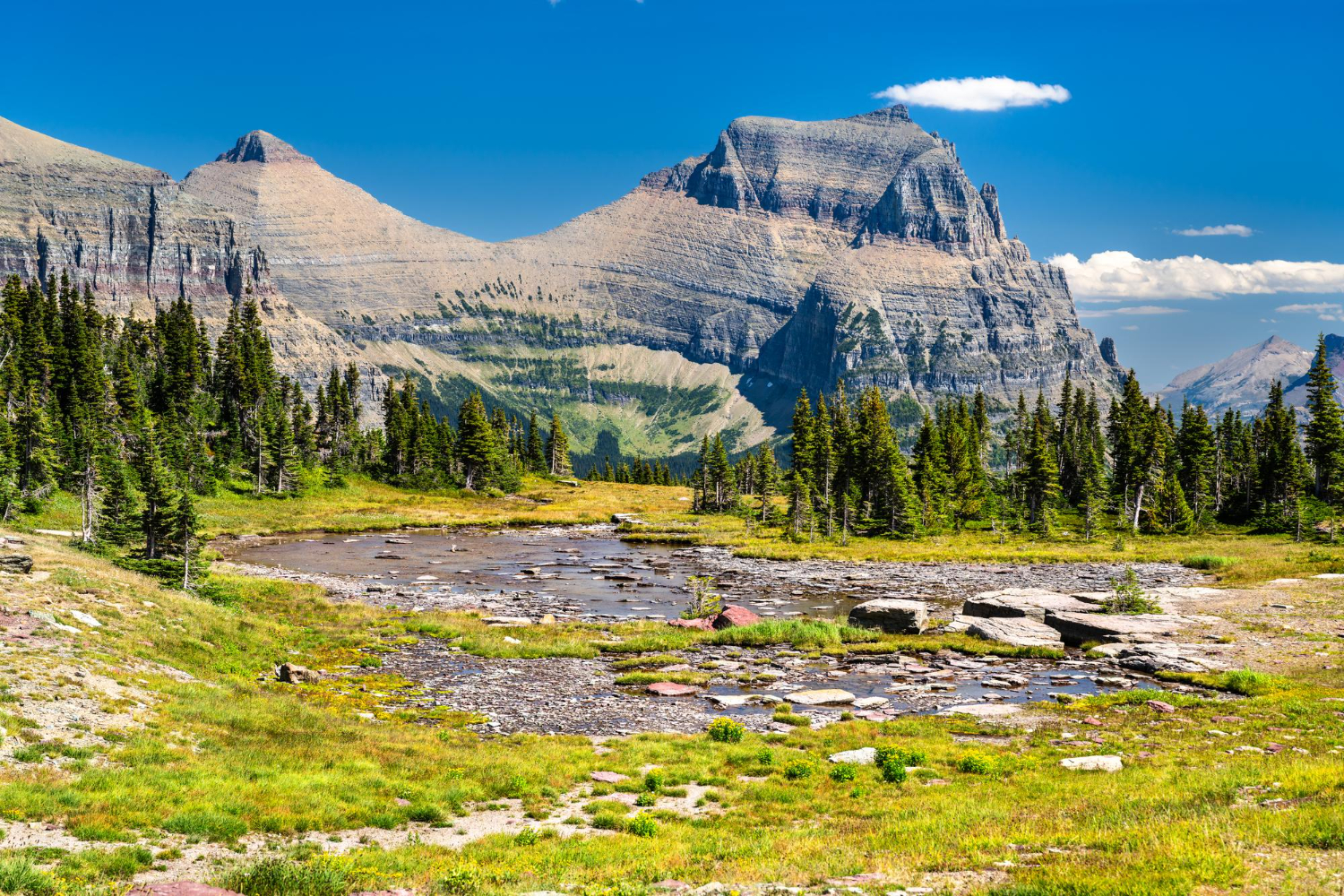
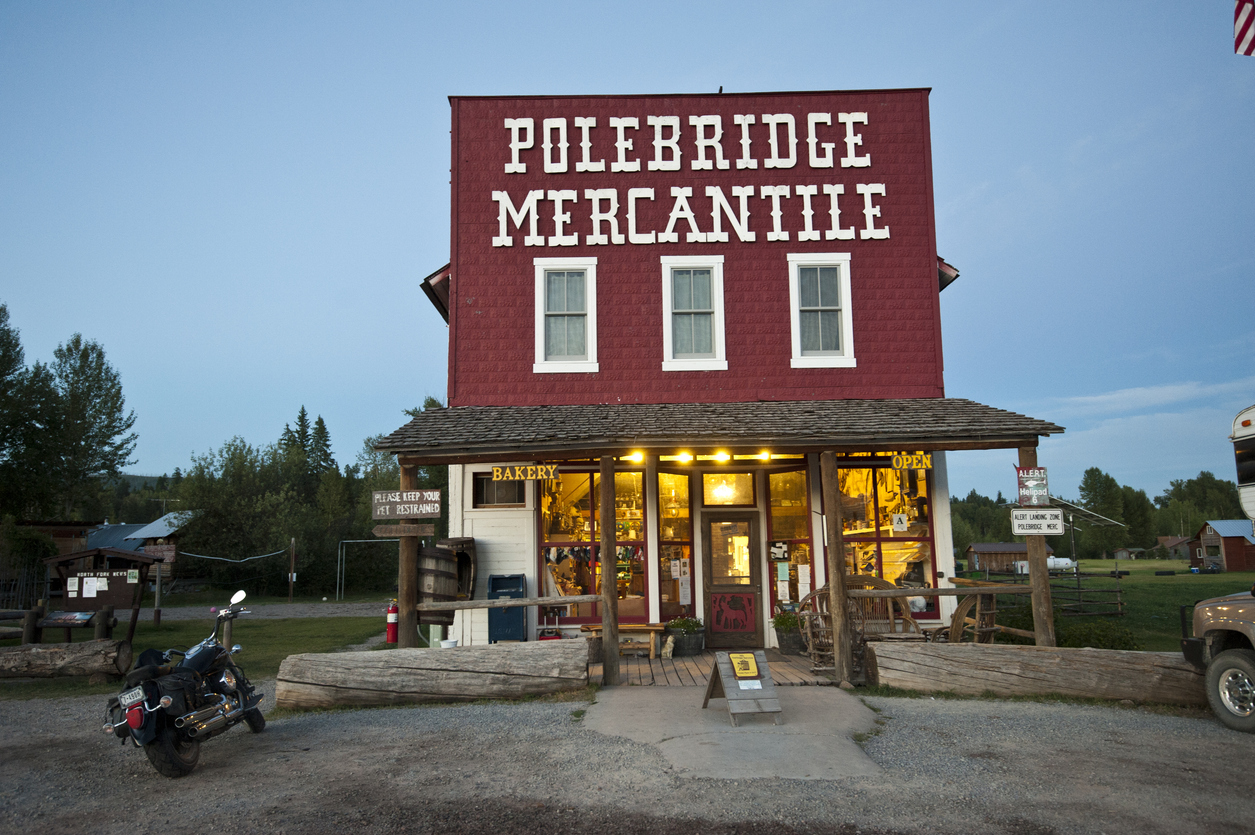
Glacier National Park changes so much from month to month that “when should I visit” might be the single most important question to answer before you plan your trip. Go at the wrong time and you could find key roads closed or trails buried in snow. Go at the right time, and you get long days, wide-open access, and some of the best mountain scenery in the country. Here is a season-by-season breakdown to help you plan.
Summer (Late June Through Early September): The Most Popular Choice
Summer is peak season at Glacier for a good reason. This is the window when Going-to-the-Sun Road is fully open from end to end, typically from mid-to-late June through mid-October depending on snowfall, and when nearly every trail, campground, and visitor service is up and running.
Pros: – Full access to Going-to-the-Sun Road, one of the most scenic drives in the country – All major trails are typically snow-free by July – Longest daylight hours of the year, giving you more time to explore – Full visitor services, ranger programs, and shuttle systems in operation
Cons: – The busiest time of year, with crowded parking lots and popular trailheads – Vehicle reservations are often required for entry during peak hours – Lodging and vacation rentals near the park book up months in advance
If you want the classic Glacier experience with everything open, mid-July through August is your window. Just be ready to plan ahead, arrive early at trailheads, and book your stay well in advance. For more on making the most of a summer visit, see our guide to things to do in Glacier National Park.
Fall (Mid-September Through Early October): The Quiet Favorite
Many repeat visitors consider fall the best-kept secret at Glacier. Crowds thin out significantly right after Labor Day, temperatures cool into a comfortable hiking range, and the larch trees across the park turn a striking gold in late September and early October.
Pros: – Noticeably smaller crowds than summer – Comfortable daytime hiking temperatures – Beautiful fall colors, especially the golden larch trees – Wildlife, including bears, are often more active as they prepare for winter
Cons: – Going-to-the-Sun Road may begin closing sections as snow arrives, sometimes as early as mid-September – Shorter daylight hours than summer – Some visitor services and campgrounds close for the season
Fall is a great choice if your priority is a quieter, more relaxed visit and you are flexible enough to adjust plans if weather moves in early.
Winter (Late November Through March): For a Different Kind of Adventure
Glacier in winter is a completely different park. Going-to-the-Sun Road closes beyond the lower sections, many facilities shut down, and the park becomes a quiet, snow-covered landscape best suited to snowshoeing and cross-country skiing rather than typical sightseeing.
Pros: – A peaceful, nearly empty park experience – Beautiful snow-covered scenery – Good opportunities for cross-country skiing and snowshoeing near the west entrance
Cons: – Most of the park’s interior is inaccessible by car – Many services, restrooms, and visitor centers are closed – Requires proper winter gear and experience in cold-weather travel
Winter is best suited to visitors specifically looking for a snowshoeing or cross-country skiing trip rather than a first-time look at the park’s highlights. If you are staying nearby for winter activities beyond the park itself, our guide to Montana winter activities covers more of what the region offers this time of year, including skiing at Whitefish Mountain Resort.
Spring (April Through Early June): The Transition Season
Spring is a season of contrasts at Glacier. Lower elevations start to green up and warm considerably, while higher sections of the park can remain snow-covered well into June. Going-to-the-Sun Road opens in stages, often not reaching Logan Pass until early-to-mid June, so it is worth checking current road status before finalizing your plans.
Pros: – Fewer crowds than summer – Waterfalls are often at their fullest thanks to snowmelt – Wildflowers begin appearing at lower elevations in May
Cons: – Going-to-the-Sun Road is often only partially open – Weather can be unpredictable, swinging between warm afternoons and snow – Some trails at higher elevations remain snow-covered
If you are planning a spring trip, it helps to build flexibility into your itinerary, since road openings can shift from year to year based on snowpack.
Understanding Glacier’s Weather Patterns by Elevation
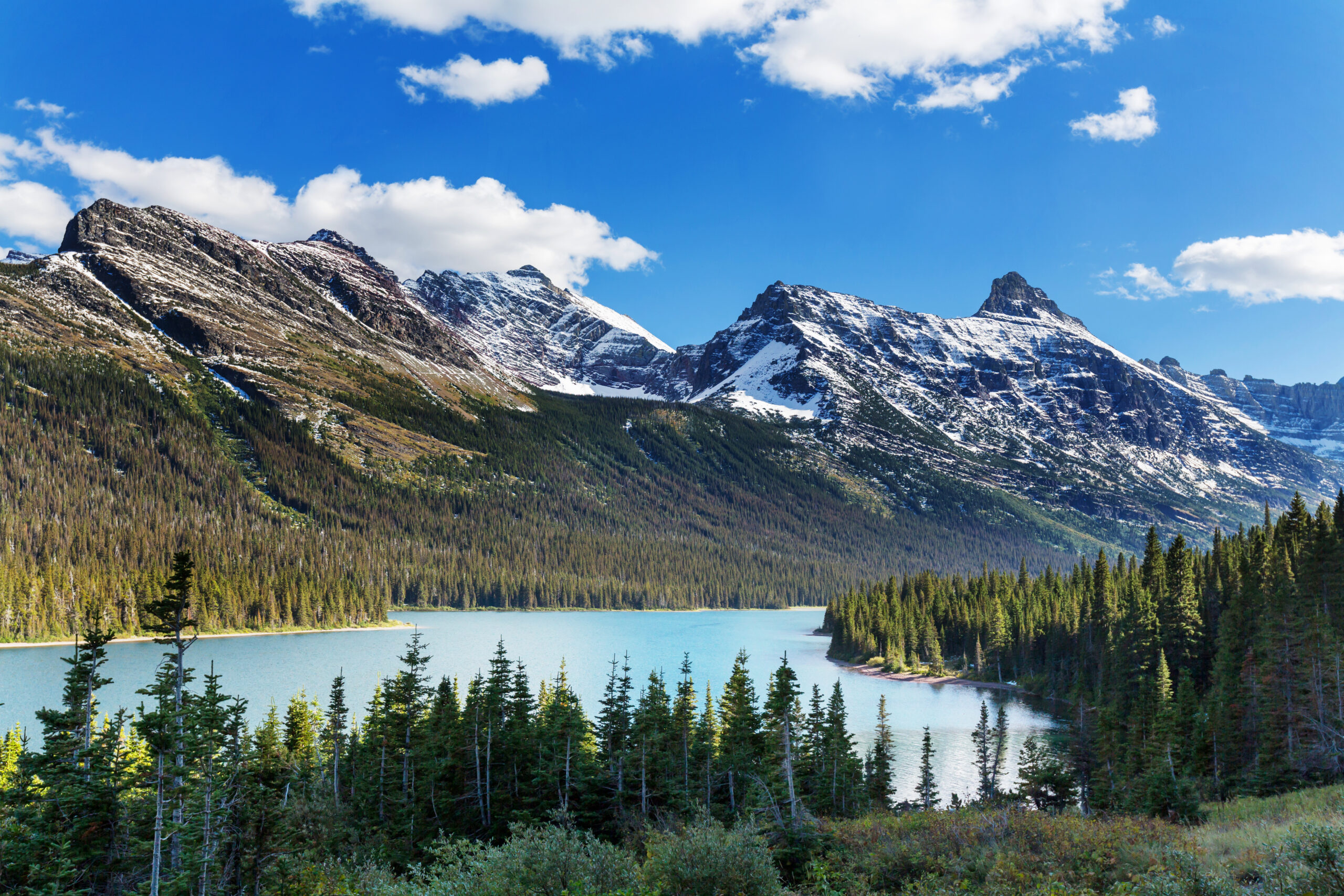
One thing that trips up first-time visitors is how differently the weather behaves depending on elevation within the park. At lower elevations, near lakes like McDonald or Two Medicine, summer temperatures can climb into the 80s Fahrenheit on a warm afternoon. Head up toward Logan Pass, though, and you can encounter snow flurries in the same week, even in July. This is part of why layering is essential no matter when you visit, and why checking trail-specific conditions matters more than checking a single general forecast for the park.
Afternoon thunderstorms are also common during the summer months, particularly in July and August, rolling in quickly over the mountains. Planning strenuous hikes for the morning, when skies are typically clearer, is a smart strategy no matter which season you choose to visit.
Wildlife Viewing by Season
Wildlife activity shifts noticeably throughout the year, and timing your visit around specific animals is worth considering if that is a priority for you. Spring brings bears out of hibernation, often visible from a safe distance grazing on early vegetation in open meadows. Summer offers the widest range of sightings, from mountain goats along high-elevation trails to moose in wetland areas. Fall is prime time for bear activity as they feed heavily on huckleberries and other food sources ahead of winter, and it is also when elk bugling can sometimes be heard echoing through the valleys. Winter sightings are rarer, though tracks in the snow often reveal just how much wildlife activity continues even when the park looks empty.
Building a Realistic Itinerary Around Your Chosen Season
Once you have settled on a season, it helps to build your itinerary around what will realistically be open and accessible. For a summer trip, block out at least one full day for driving Going-to-the-Sun Road with stops at key overlooks, plus additional days for hiking specific trails based on your fitness level and interests. For a fall trip, prioritize lower and mid-elevation trails, since higher terrain may already be closed or snow-covered. For a winter visit, plan around ranger-led snowshoe programs near the west entrance rather than expecting to access the park’s interior. Spring itineraries benefit from flexibility, with a mix of lower-elevation hikes as a backup plan in case higher trails remain inaccessible.
How to Decide the Right Time for Your Trip
Ask yourself what matters most for your visit:
- Want full access to Going-to-the-Sun Road and every trail? Aim for mid-July through August.
- Want a quieter trip with good hiking weather? Late September is hard to beat.
- Planning a ski or snowshoe trip rather than sightseeing? Winter, paired with a stay near Whitefish, is worth considering.
- Want lower prices and fewer crowds, and can handle some uncertainty? Late spring can work, as long as you stay flexible.
Many visitors also plan their Glacier trip alongside a few days at Flathead Lake, since the two destinations are close enough to combine easily, especially if you are staying somewhere central in the Flathead Valley.
Booking Your Stay Around the Right Season
Because Glacier’s most popular season lines up with the busiest travel months across the entire region, vacation rentals near the park fill up quickly for summer. If you are planning a July or August trip, aim to book your accommodations at least three to six months in advance. Fall and spring trips generally allow more flexibility, and winter stays, while quieter to book, still require some planning around road conditions and closures.
Check out our best time to visit Montana guide for a broader look at how Glacier’s seasons line up with the rest of the state, particularly if your trip includes stops beyond the park itself.
Common Mistakes to Avoid When Timing Your Visit
One of the most common mistakes visitors make is assuming Going-to-the-Sun Road is open simply because it is summer on the calendar. Snowpack levels vary year to year, and the road’s opening date has shifted by several weeks in either direction depending on winter conditions, so always check current status close to your travel dates rather than relying on a general rule of thumb. Another common misstep is underestimating how quickly weather can change at higher elevations, leading to underdressed hikers caught off guard by a sudden temperature drop at Logan Pass. Packing layers, even in July, is simply part of visiting Glacier responsibly.
Final Thoughts on Choosing Your Season
There is no single “wrong” time to visit Glacier National Park, only the right time for the kind of trip you are hoping to have. Summer rewards visitors chasing the park’s most famous views and full trail access, fall offers a quieter, more contemplative experience with a burst of color, winter turns the park into a snowy retreat for a different kind of adventure, and spring rewards those willing to stay flexible with fewer crowds and dramatic waterfalls. Whichever season you choose, a little research into current road and trail conditions before you go will make sure your trip matches the experience you had in mind.
Frequently Asked Questions
What is the best month to visit Glacier National Park?
July and August offer the most complete access, with Going-to-the-Sun Road fully open and all trails typically clear of snow, making them the most popular months to visit.
When does Going-to-the-Sun Road open and close?
The road typically opens in stages from late May through mid-to-late June, depending on snowpack, and begins closing sections in mid-September, often fully closing by mid-October.
Is Glacier National Park open in the winter?
Yes, but access is limited. Most of the interior road is closed to vehicles, and the park is best suited for snowshoeing and cross-country skiing near the accessible sections.
What is the least crowded time to visit Glacier National Park?
Late September through early October offers a good balance of accessible trails, comfortable weather, and significantly smaller crowds compared to summer.
Do I need a vehicle reservation to enter Glacier National Park?
During peak summer months, timed vehicle reservations are often required for certain park entrances during daytime hours. It is worth checking current park regulations before your trip, since requirements can change from year to year.
Whenever you decide to visit, Explore Montana Rentals has a cabin or vacation home ready to serve as your base camp for Glacier National Park. Browse our Flathead Valley properties and book the stay that fits your season.