If you have ever tasted a huckleberry milkshake in Montana and thought, “I need to find these things growing in the wild,” you are not alone. Huckleberries are one of the best-kept secrets of a Montana vacation, and once the season hits, you will see them everywhere — on pancake menus, in pie shops, and in the buckets of locals who disappear into the hills every summer with a container and a plan.
If you are planning a trip to Flathead Lake or Glacier National Park this year, timing your visit around huckleberry season can turn a great trip into an unforgettable one. Here is everything you need to know about when to go, where to look, and how to actually find the berries once you get there.
What Exactly Is a Huckleberry?
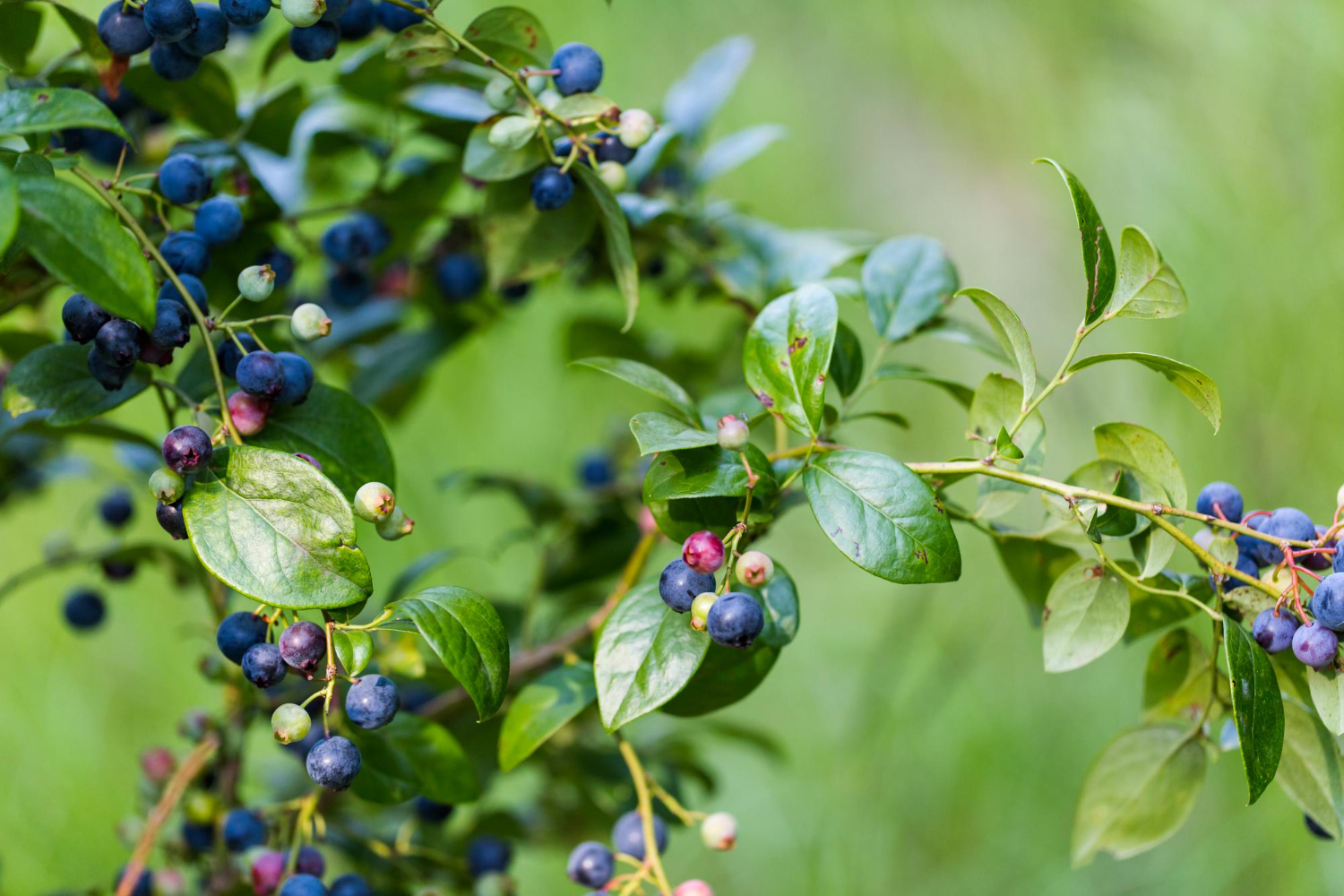
A huckleberry looks a lot like a blueberry, but do not let the resemblance fool you. Huckleberries grow wild — they cannot be farmed commercially, which is part of why they are so prized. They are smaller, a little tarter, and packed with a deep, slightly wine-like flavor that blueberries simply do not have. The plants themselves are low shrubs that thrive in the mountain forests of northwest Montana, often growing in the same wooded hillsides you would hike for a good mountain view. So if you have already booked a stay near Whitefish or the Flathead Valley, you are already in prime huckleberry territory.
Montana’s state fruit status is unofficial, but ask any local and they will tell you huckleberries are as much a symbol of the state as grizzly bears and the Rocky Mountain Front. Restaurants build entire menus around them each summer, and gift shops sell everything from huckleberry jam to huckleberry soap.
When Is Huckleberry Season in Montana?
Huckleberry season generally runs from mid-July through early September, though the exact timing shifts a little every year depending on snowpack, elevation, and summer temperatures. Here is a rough breakdown:
- Lower elevations (around 3,000 to 4,000 feet): Berries typically ripen from mid-July through early August.
- Mid elevations (4,000 to 5,500 feet): Peak picking usually falls in late July through mid-August.
- Higher elevations (above 6,000 feet): Berries can still be ripening into early September, especially in a cooler year.
Because Montana’s mountains have such varied elevation, you can often chase the season by moving higher as the lower patches get picked clean. If you are staying for a week or two, this means you might find fresh berries at the start of your trip in a low meadow and then hike a little higher toward the end of your stay to find berries just coming into their prime.
A good rule of thumb: if you are visiting in late July or the first two weeks of August, you have hit the sweet spot for huckleberry season across most of the region.
Where to Find Huckleberries Near Flathead Lake and Glacier
Huckleberries like partial sun, slightly acidic soil, and the kind of mixed conifer forest that covers much of northwest Montana. You will not find them in a manicured park or right along a busy highway pull-off — they favor quieter, higher ground.
A few reliable general areas include:
- Forest roads and trails around the Flathead National Forest, particularly areas with a mix of open meadow and pine or fir forest.
- Trails on the west side of Glacier National Park, where huckleberry bushes often grow along the lower sections of hiking routes before you reach the alpine zone.
- The hills surrounding Whitefish, especially areas that see logging or forest clearing, since huckleberries often move into open, sunny patches after a disturbance.
- Higher-elevation meadows near Big Mountain, which tend to ripen a bit later in the season than valley-floor patches.
If you are staying at one of our Flathead Valley cabins, ask your host or check with the local ranger station for current picking conditions. Rangers usually know which areas have had a good berry year and which trails are producing.
A word of caution: huckleberries are also a favorite food of black bears and grizzly bears, especially in late summer when bears are trying to pack on weight before winter. Always make noise while hiking, carry bear spray, and never get between a bear and a berry patch.
Tips for a Successful Huckleberry Picking Trip
Picking huckleberries is simple, but a little know-how goes a long way.
- Bring the right gear. A wide-mouth container that hangs around your neck (locals often use an old yogurt tub with a string handle) leaves both hands free for picking. Wear long sleeves and pants, since the bushes tend to grow in areas with underbrush, ticks, and the occasional mosquito.
- Pick, do not strip. Gently roll ripe berries off the stem rather than pulling handfuls of leaves and unripe berries along with them. This protects the plant and makes for a cleaner harvest.
- Go early or late in the day. Mornings and early evenings are cooler and tend to have less bear activity than midday, plus the light is easier on your eyes when you are scanning low bushes for dark purple berries.
- Respect private and protected land. Some areas require a permit for berry picking, and picking is not allowed inside developed areas of national parks. A quick check with a ranger station or forest service office before you head out will save you a headache.
- Bring bear spray and know how to use it. This cannot be said enough. Huckleberry patches and bear country overlap almost perfectly.
Huckleberries vs. Blueberries: What’s the Real Difference?
It is worth clearing up the confusion once and for all, since so many visitors ask about it. Blueberries and huckleberries belong to related plant families and share a similar deep-blue to purple color, but they are genuinely different fruits. Huckleberries tend to have a slightly thicker skin, a handful of small, crunchy seeds, and a flavor that swings between sweet and tart in the same bite. Blueberries, by comparison, are milder and more uniformly sweet.
The biggest practical difference, though, is that huckleberries resist domestication. Growers have tried for decades to cultivate them on farms, and while a few limited commercial operations exist, the vast majority of huckleberries sold in Montana are still hand-picked from the wild. That scarcity is exactly why a jar of huckleberry jam costs more than a jar of blueberry jam, and why locals guard their favorite picking spots like a closely held secret.
A Quick Look at Huckleberry History in Montana
Long before huckleberries showed up on gift shop shelves, they were a critical food source for Native American tribes throughout the region, including the Salish, Kootenai, and Blackfeet. Berries were dried and stored for winter, mixed into pemmican, and gathered during seasonal trips to known patches, a tradition that in many ways continues today, just with modern coolers instead of woven baskets.
By the early 1900s, huckleberries had become a beloved regional treat for settlers and travelers passing through Glacier National Park, and the tradition of huckleberry pie at mountain lodges dates back nearly that far. Today, the berry has grown into something of a regional brand, showing up in everything from craft beer to lip balm, but the core experience — heading into the hills with a bucket — has not changed much at all.
Huckleberry Festivals and Events Worth Checking Out
If picking your own berries is not on the agenda, several small towns throughout the Flathead Valley host huckleberry-themed festivals and events during peak season, usually in August. These events often feature huckleberry pie contests, local vendors selling jams and baked goods, and family-friendly activities. Checking local event calendars before your trip is worth it, since dates shift from year to year based on when the harvest peaks.
Once you have a container of fresh huckleberries, the fun really begins. Locals use them in pancakes, pie, jam, syrup, and even barbecue sauce. If you do not want to cook, huckleberries freeze beautifully — just rinse, pat dry, and freeze them in a single layer on a tray before transferring to a bag, so they do not clump together.
If picking your own is not in the cards this trip, you can still get the full experience. Farmers markets throughout the Flathead Valley sell fresh and frozen huckleberries in season, and nearly every small-town bakery has a huckleberry pie, tart, or scone worth trying. Pair a slice with a stop at one of the sights covered in our guide to things to do in Kalispell, Montana for a perfect summer afternoon.
Planning Your Trip Around Huckleberry Season
Because huckleberry season overlaps with peak summer travel in Montana, cabins and vacation rentals near Flathead Lake and Glacier National Park book up fast between July and August. If picking wild huckleberries is on your Montana bucket list, it is worth booking your stay several months in advance.
Staying in a cabin rather than a hotel also makes the whole huckleberry experience easier. You will have a kitchen to turn your harvest into jam or a pie, a porch to sit on while you sort your berries, and easy access to the trails and forest roads where the best patches are hiding. Check out our vacation rental checklist if you are putting together your packing list for the trip.
Bringing Home a Taste of Montana
If a container of fresh berries is not going home with you, plenty of huckleberry products travel well. Jam, syrup, and huckleberry-infused honey are popular choices that hold up fine in a suitcase, and many local shops offer vacuum-sealed or shelf-stable options specifically packaged for travelers. Huckleberry coffee and tea are lighter, less messy souvenirs if you are trying to save luggage space, and they make for a nice way to bring a bit of the trip home for your morning routine.
If you do bring home fresh or frozen berries, remember that agricultural restrictions can apply when crossing state lines or, especially, international borders. A quick check of current regulations before you travel can save you from having to say goodbye to your hard-earned harvest at a checkpoint.
Frequently Asked Questions
When is the best time to pick huckleberries in Montana?
Mid-July through mid-August is typically the best window for most elevations, though picking can continue into early September at higher elevations.
Can you eat huckleberries right off the bush?
Yes. Ripe huckleberries are safe to eat straight off the plant. Just make sure you are picking huckleberries and not a look-alike plant, and rinse them before eating if possible.
Do you need a permit to pick huckleberries in Montana?
For personal, non-commercial picking on most public forest land, no permit is typically required, but rules vary by area. It is always a good idea to check with the local ranger station, especially if you plan to pick a large quantity.
Are huckleberries only found in the mountains?
Huckleberries prefer higher elevations with a mix of sun and forest cover, so you are far more likely to find them on mountain slopes and forested hillsides than in valley bottoms or open plains.
What should I do if I see a bear while picking huckleberries?
Stay calm, do not run, and slowly back away while speaking in a calm voice. Carry bear spray and know how to use it. Bears are drawn to huckleberry patches in late summer, so staying alert and making noise while you hike is one of the best ways to avoid a surprise encounter.
Ready to plan your own huckleberry-picking getaway? Browse our handpicked cabins and lakefront homes across the Flathead Valley at Explore Montana Rentals, and let us help you find the perfect basecamp for a summer full of berries, mountains, and lake days. Book your stay today.