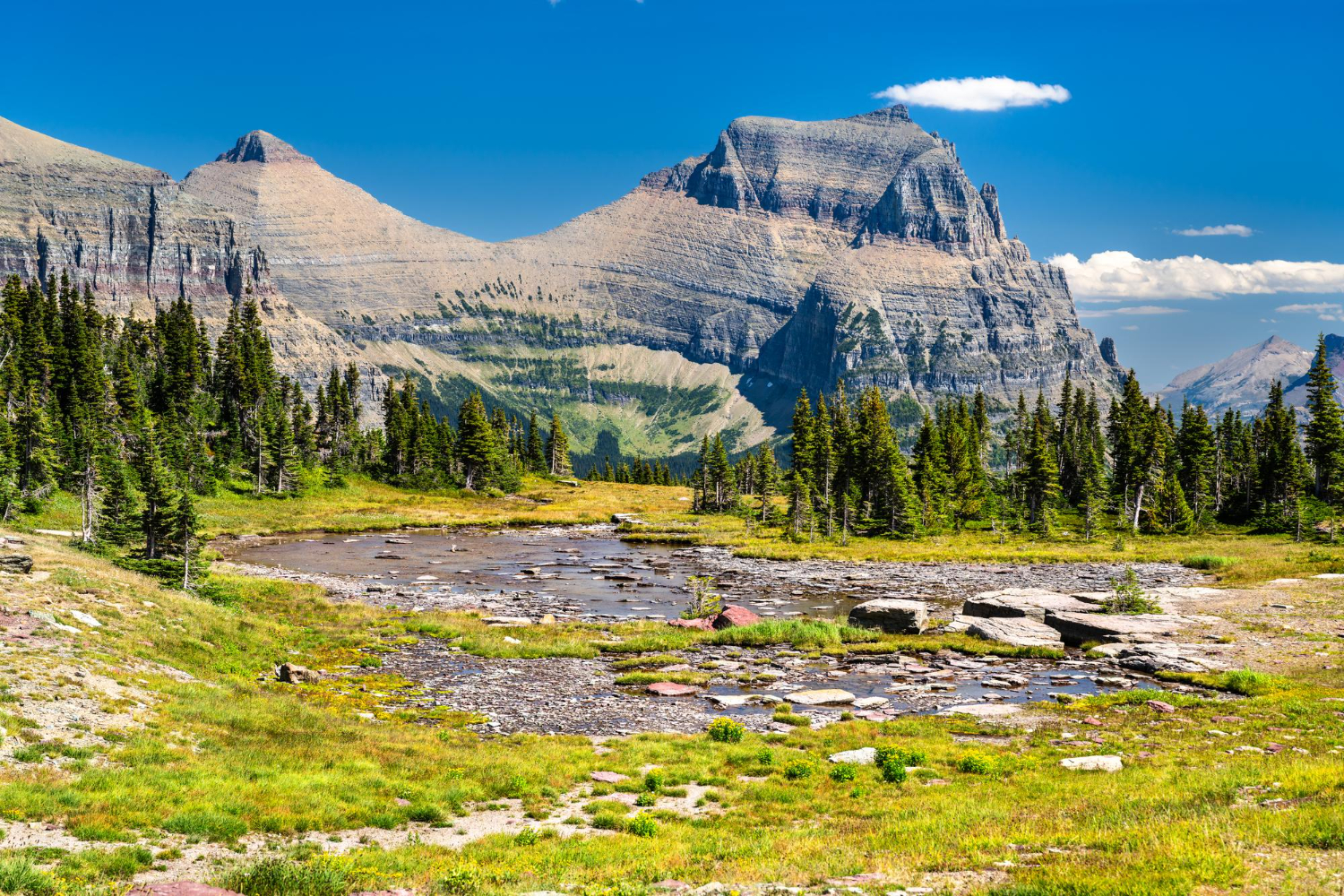
National Park is one of the most breathtaking places in the United States — and you don’t need to lace up a pair of hiking boots to experience it. While the park’s trails draw visitors from around the world, Glacier has just as much to offer from a car window, a boat deck, a kayak seat, or a cozy lakeside perch.
Whether you’re traveling with young kids, older family members, or simply prefer a more relaxed pace, there are plenty of ways to explore Glacier National Park besides hiking. From the iconic Going-to-the-Sun Road to guided boat tours on crystal-clear glacial lakes, here’s everything worth doing at Glacier without ever hitting a trail.
Quick Overview: Best Non-Hiking Activities at Glacier
- Drive the Going-to-the-Sun Road
- Take a guided boat tour on Lake McDonald or St. Mary Lake
- Watch for wildlife — bears, mountain goats, moose, and more
- Go kayaking or canoeing on the park’s many lakes
- Attend a ranger-led program or campfire talk
- Fish for native bull trout and cutthroat trout
- Explore Apgar Village and the visitor centers
- Take a scenic boat shuttle across the lake
- Picnic along the shoreline or at a scenic pullout
- Photograph the park’s lakes, glaciers, and peaks
1. Drive the Going-to-the-Sun Road
No visit to Glacier is complete without driving the Going-to-the-Sun Road. This 50-mile scenic highway is one of the most spectacular drives in North America, cutting through the heart of the park and climbing over the Continental Divide at Logan Pass (elevation 6,646 feet).
You’ll pass turquoise lakes, cascading waterfalls, hanging valleys, and sweeping mountain panoramas — all from the comfort of your car. Designated pullouts let you stop for photos and take in the views without getting out for a hike. The entire drive takes roughly two to four hours, depending on how often you stop.
What to know before you go:
- Vehicles over 21 feet require a vehicle reservation between May 27 and September 8 to travel the road between Apgar and the Sun Point parking area.
- The road is typically open to vehicles from late June through mid-October, depending on snowpack.
- Arrive early or go late in the day to avoid peak traffic and score easier parking at Logan Pass.
2. Take a Guided Boat Tour
Glacier’s historic red wooden boats have been ferrying visitors across the park’s lakes since 1938. Operated by Glacier Park Boat Company, these guided tours offer a narrated look at the park’s geology, wildlife, and history — no hiking required.
Tours depart from several locations throughout the park, including Lake McDonald, St. Mary Lake, Two Medicine Lake, Many Glacier, and Cut Bank. Each route showcases a different part of the park, so you can easily fill a full day or two on the water without repeating scenery.
Top boat tour options:
- Lake McDonald- the park’s largest lake, ringed by cedar and hemlock forest
- Mary Lake- dramatic views of Wild Goose Island and the Rockies
- Many Glacier- close-up views of Grinnell and Salamander glaciers from the water
- Two Medicine Lake- a quieter, less-visited gem on the park’s east side
Tours typically run 45 minutes to an hour and are narrated by knowledgeable guides. Book in advance during peak summer months — they sell out quickly.
3. Watch for Wildlife
Glacier National Park is one of the best wildlife viewing destinations in the Lower 48. The park is home to grizzly bears, black bears, moose, mountain goats, bighorn sheep, gray wolves, lynx, and more than 260 species of birds.
You don’t need to leave the road to see wildlife here. Some of the best sightings happen from cars and pullouts along Going-to-the-Sun Road, at the Many Glacier area on the park’s east side, and in the St. Mary Valley at dawn and dusk.
Top wildlife viewing spots:
- Logan Pass- mountain goats and bighorn sheep are frequently spotted right at the visitor center parking lot
- Many Glacier area- grizzly bears and moose are commonly seen in the meadows and along the lake shorelines
- Mary Valley- look for deer and waterfowl early in the morning
- Apgar- bald eagles and osprey fish on Lake McDonald
Bring binoculars and a zoom lens if you have one. Always maintain a safe distance from wildlife — at least 100 yards from bears and wolves, and 25 yards from other animals.
4. Kayak or Canoe on a Glacial Lake
Glacier’s lakes are some of the clearest and coldest you’ll ever paddle on. Kayaking and canoeing are excellent ways to experience the park at your own pace, with stunning mountain views reflecting in the water below you.
Non-motorized watercraft are allowed on most lakes in the park. Lake McDonald and Two Medicine Lake are popular paddling spots with boat rentals available nearby. Bowman Lake and Kintla Lake, in the park’s remote North Fork area, offer a more wilderness feel for experienced paddlers.
A few things to keep in mind:
- All watercraft must be inspected for invasive species before entering the park. Inspections are available at entry points.
- Glacier’s lakes are fed by glacial meltwater and stay very cold year-round — wear a life jacket.
- Afternoon winds can pick up quickly, especially on larger lakes. Paddle in the morning when conditions are calmer.
5. Fish for Native Trout
Glacier National Park has over 700 lakes and countless streams — and fishing here is as scenic as it gets. The park is home to native bull trout, westslope cutthroat trout, and mountain whitefish, along with several non-native species.
No Montana fishing license is required to fish within park boundaries, but you must follow all park fishing regulations. Some waters are closed to protect native species, so check the current rules before heading out. Catch-and-release is encouraged for native bull trout.
Popular fishing spots include Lake McDonald, Bowman Lake, and the North Fork of the Flathead River, which forms the park’s western boundary. The Flathead is a particularly stunning place to wade and cast with the mountains as your backdrop.
6. Attend a Ranger-Led Program
Glacier’s ranger-led programs are one of the most underrated things to do in the park. Rangers offer evening campfire talks, geology presentations, wildlife discussions, and Junior Ranger programs for kids — all of which are free with your park entry.
Evening campfire programs are held at several campgrounds throughout the park during summer, typically at 8 or 9 p.m. They’re a great way to wind down after a day of exploring and come away with a deeper understanding of what makes Glacier so special.
Check the park’s current schedule at any visitor center or on the National Park Service website. Programs vary by location and season.
7. Explore Apgar Village and the Visitor Centers
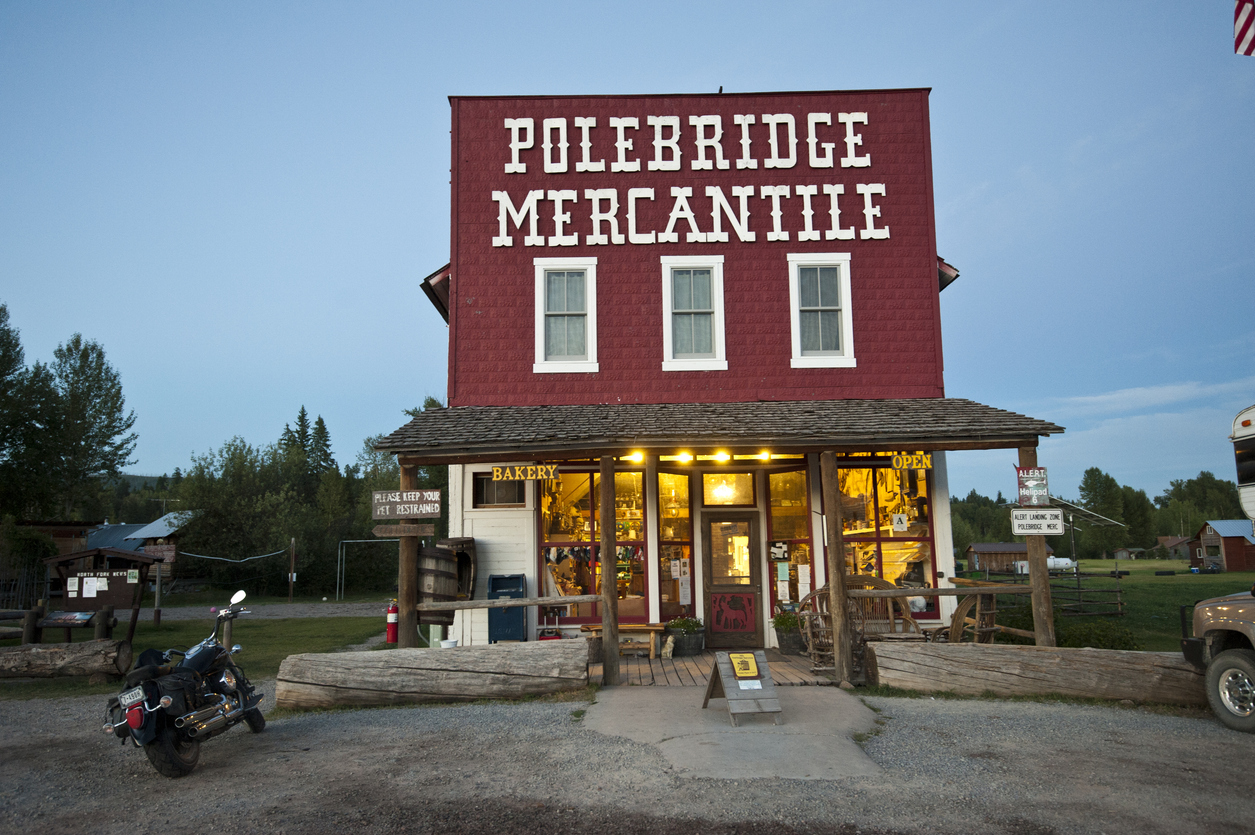
Apgar Village, located just inside the park’s west entrance on the southern shore of Lake McDonald, is a charming spot with a laid-back feel. You’ll find a visitor center, small shops, a pizza restaurant, an ice cream stand, and kayak rentals — all within easy walking distance of the lake.
The Apgar Visitor Center is a great first stop, with exhibits on the park’s geology, wildlife, and history. The Logan Pass Visitor Center, sitting at the top of Going-to-the-Sun Road, offers stunning 360-degree mountain views and more detailed exhibits on the park’s alpine environment.
The historic Lake McDonald Lodge is also worth a visit. Built in 1913, the hunting-lodge-style building has a stunning great room filled with original furnishings, mounted animal heads, and a massive stone fireplace. You can grab a meal, a drink, or simply stop in to admire the architecture.
8. Go Horseback Riding
Horseback riding is one of the most classic ways to experience the American West — and Glacier delivers some of the most scenic riding terrain imaginable. Swan Mountain Outfitters offers guided trail rides near Apgar, Lake McDonald, and the Many Glacier area, with options ranging from one-hour introductory rides to multi-hour excursions.
Rides are suitable for most experience levels, including beginners. It’s a wonderful option for families or anyone who wants to cover more ground than a short walk without the effort of a full hike.
9. Photograph the Park
Glacier National Park is a photographer’s paradise. Between the mirror-like glacial lakes, dramatic peaks, cascading waterfalls, and abundant wildlife, there’s no shortage of stunning subjects — and you don’t need to venture far from the road to find them.
Best photography spots in the park:
- Lake McDonald- the colorful rocks on the lakeshore make for iconic foreground shots, especially at sunrise
- Wild Goose Island on St. Mary Lake- one of the most photographed scenes in Montana
- Swiftcurrent Lake at Many Glacier- reflections of Grinnell Point are stunning in the early morning
- Weeping Wall on Going-to-the-Sun Road- a cascading waterfall that flows right alongside the highway
- Logan Pass- wide-angle mountain scenery and close-up wildlife opportunities
Golden hour- the hour after sunrise and before sunset — offers the best light and the fewest crowds at popular viewpoints.
10. Picnic with a View
Sometimes the best thing to do in a national park is simply sit still and take it in. Glacier has dozens of designated picnic areas, many of them right on the lakeshore or with direct views of the mountains.
Great picnic spots:
- Apgar Picnic Area- right on Lake McDonald, with easy access to the village
- Sun Point Picnic Area- elevated views over St. Mary Lake on the east side
- Many Glacier Picnic Area- surrounded by peaks with Swiftcurrent Lake nearby
- Two Medicine Picnic Area- peaceful and often less crowded than other areas
Pack a lunch from one of the towns along the park’s borders — Whitefish, Columbia Falls, and St. Mary all have grocery stores and local eateries, and make a morning of it.
Bonus: Winter Activities at Glacier National Park
Glacier isn’t just a summer destination. When the snow falls, the park transforms into a quiet winter wonderland with a completely different atmosphere. Going-to-the-Sun Road closes to vehicles in winter, but the lower portion stays accessible and becomes a beloved corridor for cross-country skiing and snowshoeing.
Winter activities near and inside the park include:
- Skiing and snowboarding at Whitefish Mountain Resort, just 25 miles from the park’s west entrance
- Snowshoeing and cross-country skiing on unplowed sections of Going-to-the-Sun Road
- Winter wildlife viewing — wolves and coyotes are more visible against the snow
- Ice fishing on some of the park’s accessible lakes
Where to Stay for Your Glacier National Park Trip
Making the most of Glacier — especially if you want to catch sunrise light on the lakes or be first in line for a boat tour — means staying close to the park. Whitefish, Columbia Falls, and West Glacier are the most popular base towns, each with easy access to the west entrance.
A vacation rental gives you the space and flexibility that hotels simply can’t match. Cook your own meals between park days, spread out after a full day of exploring, and stay in a home that feels like a natural extension of the landscape around it.
Explore Montana Rentals offers professionally managed vacation homes near Glacier National Park and Whitefish Mountain Resort — ideal for families, groups, and anyone who wants a comfortable home base for exploring everything this region has to offer.
FAQs: Things To Do in Glacier National Park Besides Hiking
Can you enjoy Glacier National Park without hiking?
Absolutely. Many of the park’s most iconic experiences — the Going-to-the-Sun Road, guided boat tours, wildlife viewing, fishing, and photography — require no hiking at all. Glacier is fully worth visiting even if you never set foot on a trail.
What is there to do at Glacier National Park for non-hikers?
Non-hikers can drive the Going-to-the-Sun Road, take a guided boat tour, watch for wildlife at Logan Pass or Many Glacier, kayak on Lake McDonald, attend a ranger program, visit Lake McDonald Lodge, go horseback riding, or simply picnic by the lake. There’s no shortage of ways to experience the park at any pace.
Is Glacier National Park good for families with young kids?
Yes, Glacier is very family-friendly. The Junior Ranger program keeps kids engaged, boat tours are suitable for all ages, and Apgar Village gives little ones a chance to explore and get ice cream. Wildlife spotting is a big hit with children, and short lakeside walks (as opposed to full trail hikes) are easy enough for most ages.
Do you need to make reservations to visit Glacier National Park?
During peak season (May through September), vehicle reservations are required to drive certain sections of Going-to-the-Sun Road. Entry to the park itself requires a pass, which can be purchased at the entrance or in advance online. Boat tours and horseback rides should also be booked ahead of time during summer.
What is the best time of year to visit Glacier National Park?
July and August offer the best weather and full access to the park, including Going-to-the-Sun Road. June and September are excellent for smaller crowds. Winter brings a completely different experience — quieter, snowy, and beautiful — and pairs perfectly with skiing at Whitefish Mountain Resort.
Plan Your Glacier Trip Your Way
Glacier National Park has always been more than a hiker’s destination. Its lakes are made for paddling, its roads are made for driving, its skies are made for watching, and its shorelines are made for sitting quietly with a thermos of coffee as the mountains turn golden in the morning light.
However you choose to explore it, Glacier rewards the curious traveler at every turn — no trail required.
Ready to plan your trip? Browse our vacation rentals near Glacier National Park and find the perfect home base for your Montana adventure.