Did you know that some remote regions of the Big Sky Country actually host more elk than human residents? This vast landscape offers a rare glimpse into a world where nature still reigns supreme.
Visitors often travel here to witness the breathtaking beauty of the American West. You will find that the diverse ecosystem supports a stunning array of creatures roaming freely across rugged peaks and golden plains.
Our guide helps you discover the best spots to view animals in Montana while keeping your distance. We prioritize safety and respect for the environment during every excursion.
Whether you are a seasoned photographer or a casual hiker, the unique wildlife in Montana provides endless inspiration. Prepare for an unforgettable journey through one of the most pristine wilderness areas left on the planet.
Key Takeaways
- Montana offers vast, untouched habitats for diverse species.
- Responsible observation ensures the safety of both visitors and nature.
- The state is home to iconic species like elk, grizzly bears, and wolves.
- Proper planning enhances your chances of successful sightings.
- Respecting local regulations protects the fragile mountain ecosystem.
Common Animals in Montana You Can See on Your Visit
Discovering the diverse Montana animal species is a highlight for many travelers exploring the wilderness. Whether you are hiking through national parks or driving along scenic highways, the state offers incredible opportunities to view wildlife in their natural environment.
To ensure a positive experience, always maintain a respectful distance from all animals in Montana. Using binoculars or a camera with a zoom lens allows you to observe these creatures without causing them stress or putting yourself in danger.
American Bison
Often called the kings of the plains, American Bison are massive animals that once roamed the continent in millions. Today, you can spot these iconic creatures grazing in the open grasslands of Yellowstone National Park.
Bison may appear calm, but they are surprisingly fast and can be unpredictable. Always stay at least 25 yards away from them to keep both yourself and the animals safe.
Elk
Elk are among the most recognizable Montana animal species found throughout the state’s forests and meadows. During the autumn rut, you might hear the haunting bugle of a bull elk echoing through the valleys.
These large members of the deer family are most active during the early morning and late evening. Look for them near the edges of forests where they forage for grasses and shrubs.
Mule Deer and White-Tailed Deer
You will frequently encounter both Mule Deer and White-Tailed Deer during your travels. While they share similar habitats, you can tell them apart by looking at their tails and ears.
- Mule Deer have large, mule-like ears and a black-tipped tail.
- White-Tailed Deer have smaller ears and a tail that flashes white when they run.
Moose
The moose is the largest member of the deer family and is known for being quite elusive. These solitary animals in Montana prefer the cool, marshy areas near lakes and streams where they feed on aquatic plants.
Because they are solitary and sometimes shy, spotting a moose requires patience and a bit of luck. If you are fortunate enough to see one, remain quiet and keep a significant distance to avoid startling this powerful animal.

Predators and Large Mammals in Montana
Exploring the rugged terrain of Montana reveals a world of apex predators and resilient mountain dwellers. These formidable creatures define the wild character of the state and represent a diverse array of Montana animal species. While observing these animals is a thrill, travelers must prioritize safety and respect the natural balance of the ecosystem.
Conservation efforts remain vital for maintaining healthy populations. While some species thrive, others are monitored closely as potential endangered animals in Montana to ensure they remain part of the landscape for future generations.
Grizzly and Black Bears
Montana is one of the few places in the lower 48 states where grizzly bears still roam in significant numbers. Black bears are more widespread and often inhabit forested areas throughout the region. Both species require caution from visitors to prevent negative encounters.
- Always carry bear spray and know how to use it properly.
- Store all food and scented items in bear-resistant containers.
- Make noise while hiking to avoid surprising a bear on the trail.
Gray Wolves
Gray wolves play a crucial role in the health of the Montana wilderness by regulating prey populations. These social animals live in packs and cover vast territories across the state. Seeing a wolf in the wild is a rare and memorable experience for many wildlife enthusiasts.
Mountain Lions
Mountain lions are the masters of stealth in the Montana backcountry. These solitary predators are rarely seen because they prefer to hunt in dense cover or rocky terrain. If you happen to spot one, maintain your distance and never turn your back on the animal.
Bighorn Sheep and Mountain Goats
The high-altitude cliffs of Montana provide a home for the agile bighorn sheep and mountain goats. These animals possess incredible climbing abilities that allow them to navigate steep, rocky slopes with ease. They are iconic symbols of the rugged mountain environment.
| Species | Primary Habitat | Dietary Focus |
|---|---|---|
| Grizzly Bear | Forests and Meadows | Omnivorous |
| Gray Wolf | Diverse Wilderness | Carnivorous |
| Bighorn Sheep | Rocky Slopes | Herbivorous |
Protecting these unique Montana animal species requires ongoing public awareness and habitat preservation. By following local guidelines, you contribute to the protection of endangered animals in Montana and help keep the wilderness wild. Always check with park rangers for the latest safety updates before heading into the backcountry.

Birds and Small Animals of the Big Sky Country
Beyond the towering elk and grizzly bears, a world of smaller creatures thrives in the Big Sky Country. While large predators often capture the spotlight, the true character of the landscape is found in its diverse avian populations and tiny, industrious mammals. Improving your animal viewing in Montana requires a keen eye for these often-overlooked species that play a vital role in the local food chain.
Bald Eagles and Raptors
The vast, open skies of the region provide the perfect stage for majestic raptors. Bald Eagles are frequently spotted near rivers and lakes, where they hunt for fish with incredible precision. You might also catch a glimpse of Ospreys, Red-tailed Hawks, or the elusive Golden Eagle soaring high above the plains.
These birds of prey are essential indicators of a healthy environment. Watching them glide on thermal currents is a highlight for many visitors. To spot them, look toward the tops of tall cottonwood trees or scan the horizon during the early morning hours.
Small Mammals: Marmots and Pikas
If you venture into the rocky alpine zones, you will encounter some of the most charming residents of the mountains. Yellow-bellied Marmots are often seen sunning themselves on large boulders, while the tiny, vocal Pika scurries between rock crevices. These small mammals are masters of survival in harsh, high-altitude climates.
Engaging in animal viewing in Montana is especially rewarding when you take the time to sit quietly near a talus slope. You will likely hear the high-pitched “eep” of a Pika before you actually see one. These creatures are busy gathering grasses and wildflowers to store for the long winter months.
Waterfowl and Migratory Birds
Montana’s wetlands and prairie potholes serve as critical stopovers for thousands of migratory birds. During the spring and fall, these areas become bustling hubs of activity for various species. You can expect to see a wide variety of waterfowl, including:
- Canada Geese and Tundra Swans
- Mallards, Pintails, and Blue-winged Teal
- Great Blue Herons wading in shallow waters
- Sandhill Cranes during their seasonal migration
The changing seasons dictate which species you will encounter during your trip. Wetlands offer a unique opportunity for animal viewing in Montana, as the water attracts diverse wildlife throughout the year. Always bring a pair of binoculars to fully appreciate the vibrant colors and behaviors of these migratory visitors.

Where and When to Experience Wildlife Viewing
If you want to experience the best wildlife in Montana, timing and location are everything. Planning your itinerary carefully ensures you maximize your chances of spotting iconic species in their natural environment. Whether you are a photographer or a nature enthusiast, the state offers endless opportunities for discovery.
Prime Locations: Glacier and Yellowstone National Parks
Yellowstone National Park remains a premier destination for those seeking a classic experience. The Lamar Valley is often called the Serengeti of North America, providing excellent visibility for wolves and grizzly bears. Early mornings are the best time to visit these open meadows.
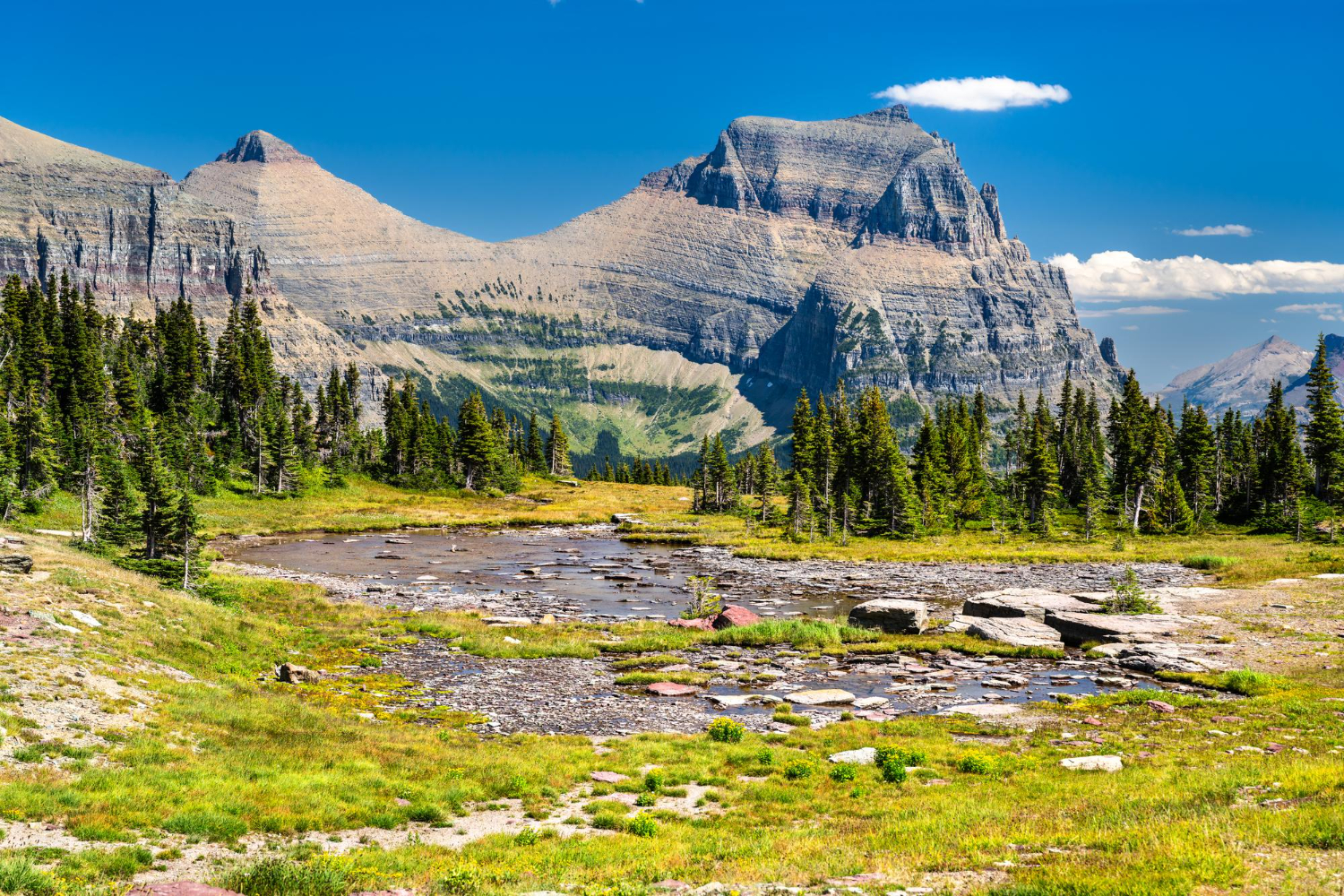
Glacier National Park offers a different, rugged experience. You can spot mountain goats along the Going-to-the-Sun Road or look for moose near the many alpine lakes. Both parks provide well-maintained trails that keep you safe while offering great views of local fauna.
Exploring the Flathead Valley and National Wildlife Refuges
The Flathead Valley serves as a lush corridor for diverse species. It is a fantastic spot for birdwatchers and those interested in seeing white-tailed deer in the valley floors. You will find that the region feels more intimate than the larger national parks.
Visiting a local Montana wildlife refuge is another excellent way to see protected species. These areas, such as the Lee Metcalf National Wildlife Refuge, offer quiet observation points. They are perfect for those who prefer a peaceful setting for animal viewing in Montana.
Seasonal Timing: When to See Animals in Montana
Understanding seasonal patterns is vital for a successful trip. Spring is the season for newborns, as elk and deer calves emerge in the meadows. Summer allows for easier travel to high-elevation areas where mountain goats and marmots thrive.
Autumn brings the dramatic elk rut, which is a highlight for many visitors. Winter is quieter, but it is the best time to see wolves against the stark white snow. Use the table below to plan your visit based on your interests.
| Location | Best Season | Primary Species |
|---|---|---|
| Yellowstone National Park | Spring/Autumn | Wolves, Grizzly Bears |
| Glacier National Park | Summer | Mountain Goats, Moose |
| Flathead Valley | Spring/Summer | Waterfowl, Deer |
| National Wildlife Refuge | Year-round | Migratory Birds, Small Mammals |
Where to Stay for Optimal Wildlife Access
Choosing the right lodging can significantly improve your wildlife in Montana experience. Staying in gateway towns like West Yellowstone or Whitefish puts you close to the action. These locations provide quick access to park entrances before the morning crowds arrive.
Consider booking a cabin near a Montana wildlife refuge for a more immersive stay. Many lodges offer guided tours that specialize in animal viewing in Montana. Staying near these corridors increases your chances of seeing animals right from your porch.
Conclusion
Montana offers a rare glimpse into a world where nature dictates the rhythm of life. Witnessing these animals in their natural habitat creates memories that last a lifetime. Your presence in these wild spaces carries a responsibility to protect the environment for future generations.
Active participation in Montana wildlife conservation ensures that these landscapes remain vibrant and healthy. You can support these efforts by choosing sustainable travel practices during your journey. Respecting distance and following park guidelines keeps both visitors and animals safe.
Consider visiting a reputable Montana animal sanctuary to learn more about the rehabilitation of injured species. These organizations provide vital care and education that benefit the entire ecosystem. Your interest helps fund the essential work required to keep the wilderness thriving.
Planning your trip with a focus on ethical observation makes your adventure meaningful. Share your experiences with others to spread awareness about the beauty of the American West. Start your journey today and become a steward of the natural world.