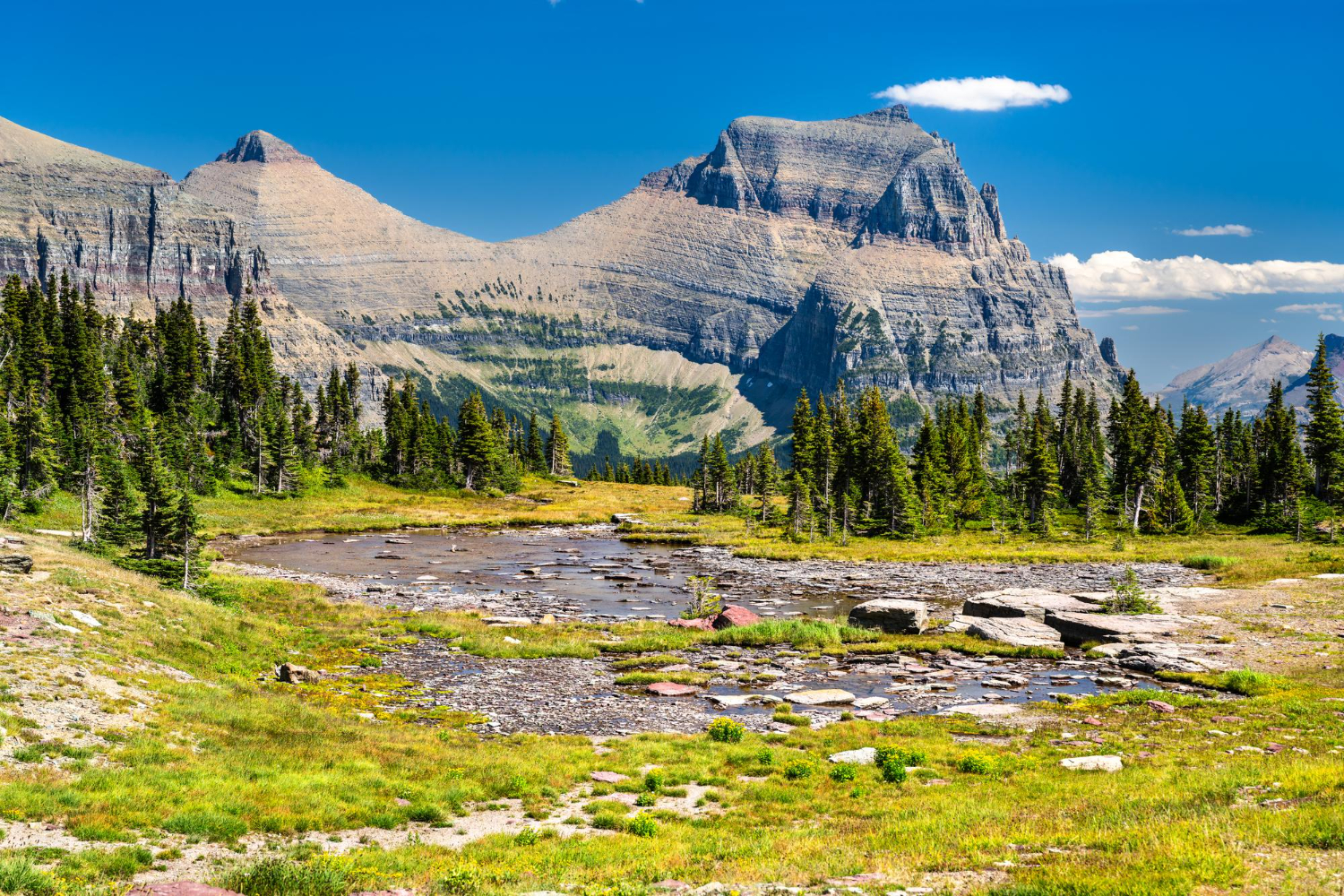
Right in the middle of Flathead Lake sits one of Montana’s most peaceful surprises — Wild Horse Island. It is the largest island on the lake, it is almost entirely undeveloped, and despite the name, you might spot bighorn sheep, deer, and eagles more often than actual horses. If you are staying nearby and looking for something a little different from the usual lake day, this island is worth the trip.
Here is what you need to know before you plan a visit, including how to get there, what to expect, and how it fits into a broader Flathead Lake itinerary.
What Is Wild Horse Island?
Wild Horse Island is a Montana State Park, but unlike most state parks, there are no roads, no buildings, and no facilities on it. It covers about 2,163 acres, making it the largest island on Flathead Lake, and it is protected as a natural area with limited public access rules designed to keep it wild.
The island gets its name from its history as a place where Native American tribes, including the Salish and Kootenai, once kept horses safe from raiders on the mainland. Today, a small number of wild horses still live on the island, though sightings are not guaranteed since the animals roam freely across the island’s grasslands and forest.
What you are far more likely to see are bighorn sheep, mule deer, bald eagles, and a wide variety of songbirds. The island’s mix of open grassland, ponderosa pine forest, and rocky shoreline makes it a haven for wildlife, and because there is no development, it feels remarkably untouched compared to most lake destinations.
How to Get to Wild Horse Island
Since there are no roads or bridges, the only way to reach Wild Horse Island is by boat. This is part of what keeps it so quiet and undisturbed. A few ways to make the trip:
Bring your own boat. If you or your rental property has access to a boat, you can navigate to one of the designated public access points on the island’s shoreline. Always check current Montana State Parks guidelines for approved landing spots before you go.
Rent a boat or kayak locally. Several outfitters around Flathead Lake offer boat and kayak rentals by the hour or the day, which is a great option if you are staying at a cabin without direct lake access.
Book a guided tour. Guided boat tours to Wild Horse Island are available seasonally and are a good choice if you would rather not navigate the lake yourself, especially if the wind picks up, which it can do quickly on a lake this size.
If you are staying at one of our properties near the lake, such as Tamarack Place or Lakeside Lodge, you are already close to several of the marinas and boat launches that offer access to the island.
What to Do on Wild Horse Island
Once you land, the island rewards a slower pace. There are a few unmarked hiking routes across the grassland and up toward the island’s higher points, offering wide views across Flathead Lake toward the Mission and Swan mountain ranges. Because there are no maintained trails or signage, comfortable footwear and a general sense of direction go a long way.
Wildlife watching is the main draw for most visitors. Bring binoculars if you have them, keep a respectful distance from any animals you spot, and remember that this is their home, not a petting zoo. Bighorn sheep are often seen along the rocky bluffs, while deer tend to stick closer to the tree line.
Photography is another popular reason to visit. Between the open grasslands, dramatic lake views, and the chance of spotting wildlife against a mountain backdrop, it is one of the more photogenic corners of the entire Flathead Valley.
The History Behind the Name
Long before Wild Horse Island carried its current name, it served a practical purpose for the Native American tribes of the region. The Salish and Kootenai people used the island as a natural corral, ferrying horses across the water to keep them safe from raids by rival tribes during periods of conflict. The surrounding water acted as a natural fence, meaning the horses could graze freely without wandering off or being easily stolen.
That history is part of what makes the island feel different from a typical park visit. You are not just looking at scenery — you are standing on a piece of land that played a real role in the daily life and survival strategies of the people who lived here long before it became a state park. A small number of horses still roam the island today as a nod to that history, managed carefully to keep the population in balance with the island’s limited resources.
What Makes the Island’s Ecosystem So Special
Because Wild Horse Island has never been developed, it offers a rare, largely undisturbed look at what the shoreline of Flathead Lake looked like long before towns, docks, and cabins arrived. The island supports old-growth ponderosa pine forest in some areas, a rarity in a region where most old-growth stands were logged decades ago. This mix of forest and open grassland creates a layered habitat that supports a wider range of species than you might expect from an island of its size.
Bald eagles nest here seasonally, taking advantage of the tall pines and unobstructed views of the lake below. Bighorn sheep, reintroduced to the island decades ago, have thrived in the rocky, low-competition environment, making Wild Horse Island one of the more reliable places in the region to spot them in the wild.
Photography and What to Bring
Because of the open grassland and dramatic lake backdrop, Wild Horse Island has become a favorite for photographers, particularly around sunrise and sunset when the light rakes across the hills. If photography is a priority for your visit, plan your boat trip around the early morning or the last couple of hours before sunset, both for the lighting and because wildlife tends to be more active during those cooler parts of the day.
A basic day pack should include water, sun protection, a light rain layer just in case, sturdy shoes for uneven terrain, and, if you have them, binoculars for wildlife watching from a respectful distance. Since there is no shade shelter or facilities anywhere on the island, packing thoughtfully before you leave the boat launch makes a real difference in how comfortable your visit feels.
Rules and Tips for Visiting
Because Wild Horse Island is protected, there are a few important guidelines to keep in mind:
- Stay on informal trails when possible to minimize impact on the grassland habitat.
- Pack out everything you bring in. There are no trash cans or facilities on the island.
- No camping or overnight stays are permitted. Wild Horse Island is a day-use area only.
- No pets are allowed on the island, in part to protect the wildlife that lives there.
- Watch the weather. Flathead Lake can produce strong, sudden winds, so check conditions before heading out in a smaller boat and always wear a life jacket.
Because there is no dock infrastructure or facilities, plan to bring water, snacks, sun protection, and anything else you might need for a few hours outdoors, since you will not find a store or restroom once you arrive.
The Best Time of Year to Visit
Wild Horse Island is most accessible from late spring through early fall, roughly May through September, when Flathead Lake’s water levels and weather conditions make boat travel more predictable. Early summer brings wildflowers across the grasslands, while late summer offers warmer water for a swim near the shore before or after your island visit. If you are planning your trip around the best overall conditions on the lake, our Flathead Lake State Park guide covers seasonal timing for the whole area in more detail.
Pairing Wild Horse Island With the Rest of Your Trip
A visit to Wild Horse Island fits naturally into a broader day on Flathead Lake. Many visitors combine it with a stop at one of the lake’s public beaches, a visit to Flathead Lake State Park, or an afternoon in one of the small lakeside towns for lunch and ice cream. If you are staying in the area for a longer trip, it also pairs well with a day trip to Glacier National Park or an afternoon exploring Whitefish.
Because the island requires a boat and a bit of planning, it tends to attract travelers who want a quieter, more adventurous experience than the average lake day. If that sounds like your kind of trip, it is worth building a few extra hours into your itinerary to make the crossing worthwhile.
Is Wild Horse Island Worth the Effort?
For travelers weighing whether the extra planning is worth it, it helps to think about what kind of experience you are looking for. If you want a lively beach day with food vendors, music, and plenty of company, Wild Horse Island is not that place. If you want a quiet, slightly wild corner of Flathead Lake where the loudest sound might be an eagle overhead or wind moving through the grass, it is hard to beat. Most visitors who make the trip describe it as one of the most memorable parts of their entire stay, precisely because it feels so different from anywhere else on the lake.
Frequently Asked Questions
Can you visit Wild Horse Island without a boat?
No. Wild Horse Island has no roads or bridges connecting it to the mainland, so a boat, kayak, or guided tour is the only way to reach it.
Are there actually wild horses on the island?
Yes, though sightings are not guaranteed. A small number of wild horses live on the island, roaming freely, but bighorn sheep and deer are more commonly spotted by visitors.
Can you camp overnight on Wild Horse Island?
No. Wild Horse Island is a day-use only state park, and overnight camping is not permitted.
Is Wild Horse Island good for kids?
It can be a great adventure for older kids who enjoy hiking and wildlife watching, but keep in mind there are no facilities, marked trails, or shade structures, so plan accordingly for younger children.
What is the best time of year to visit Wild Horse Island?
Late spring through early fall, roughly May through September, offers the most reliable weather and calmer boating conditions for reaching the island.
Looking for a home base close to Flathead Lake and Wild Horse Island? Explore Montana Rentals offers lakeside cabins and cottages that put you just minutes from the water. Browse our Flathead Lake properties and start planning your island day trip today.
Find Your Perfect Stay
Comfort, space, and convenience- everything you need for a relaxing getaway. Explore vacation rentals designed to make your trip effortless.