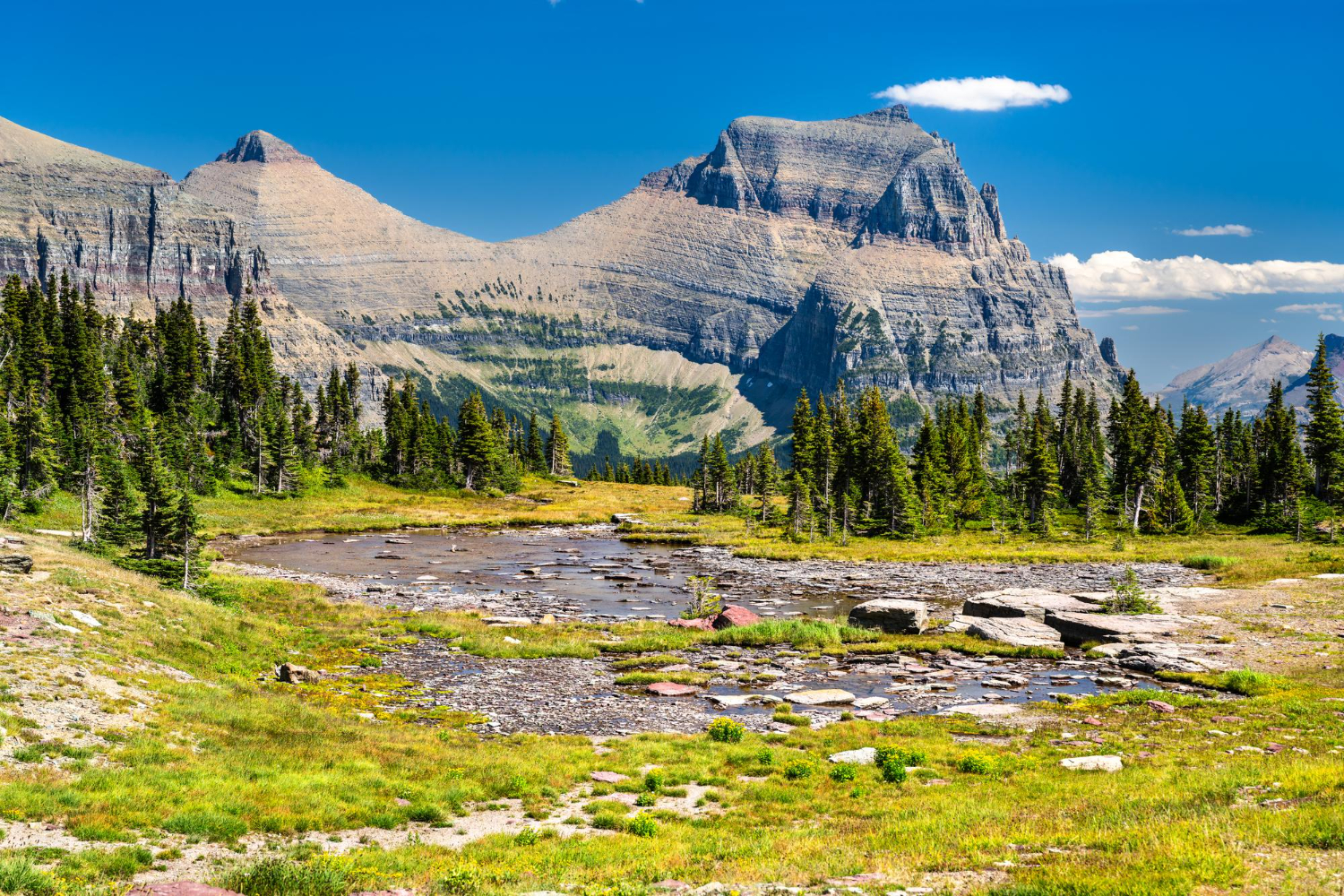
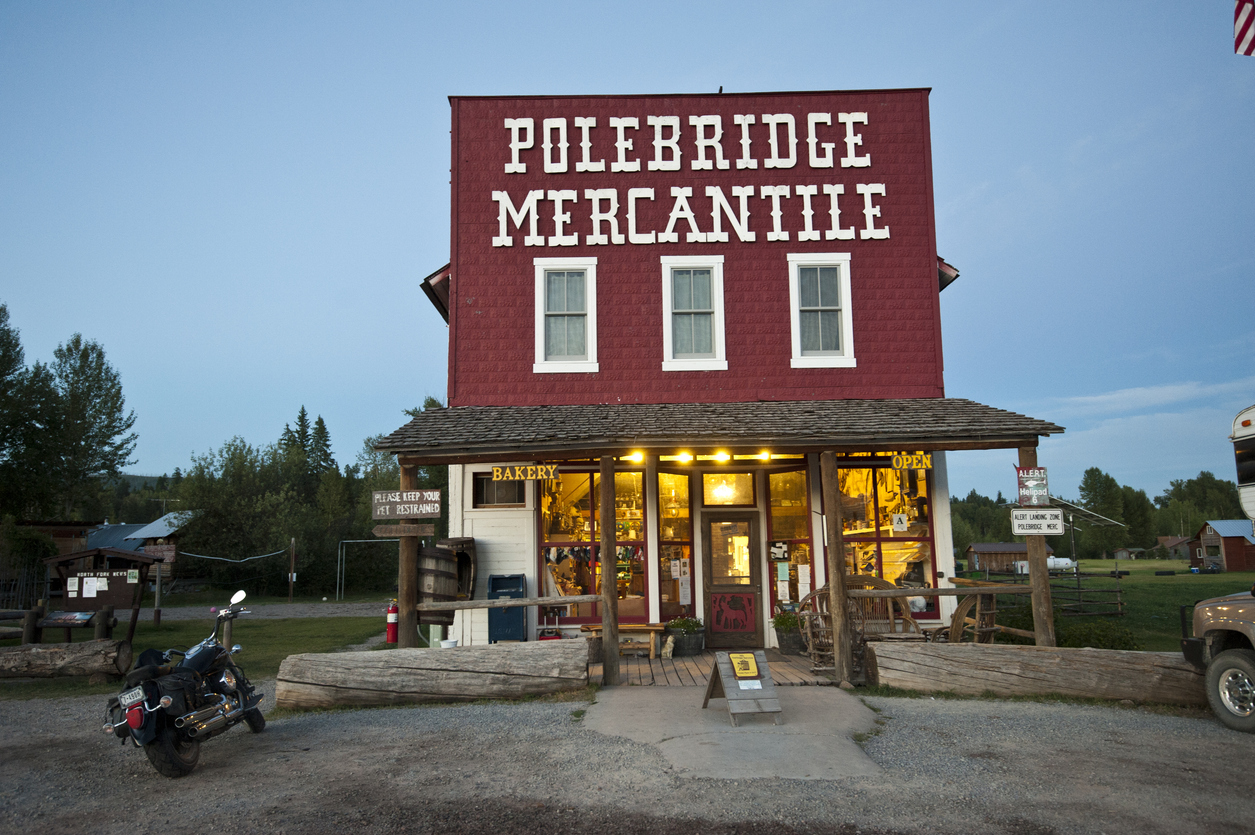
Glacier National Park has more than 700 miles of trails, many leading somewhere you cannot see any other way: a lake fed by real glacier ice, a mountain pass with views on both sides, or a valley where mountain goats and bighorn sheep graze close to the path.
This guide covers ten of the best hikes in the park, sorted from easy to strenuous, with the round trip distance, elevation gain, and trailhead for each one.
Quick Comparison: All 10 Trails at a Glance
| Trail | Round-trip distance | Elevation gain | Difficulty | Trailhead |
|---|---|---|---|---|
| Trail of the Cedars | Under 1 mile | About 60 feet | Easy | Avalanche Creek |
| Two Medicine Lake to Twin Falls | About 2.3 miles | About 120 feet | Easy | Two Medicine |
| Hidden Lake Overlook | About 2.7 miles | About 540 feet | Easy to moderate | Logan Pass |
| Avalanche Lake | About 4.5 to 6 miles | About 730 feet | Moderate | Avalanche Creek |
| Iceberg Lake | About 9.6 miles | About 1,275 feet | Moderate | Many Glacier |
| Grinnell Glacier | About 7.6 to 11 miles | About 1,600 to 1,840 feet | Moderate to strenuous | Many Glacier |
| Highline Trail | About 11.6 miles, one way | About 830 feet | Strenuous | Logan Pass |
| Siyeh Pass | About 9 to 10 miles | About 2,000 to 2,300 feet | Strenuous | Siyeh Bend |
| Cracker Lake | About 12 miles | About 1,400 feet | Moderate to strenuous | Many Glacier |
| Ptarmigan Tunnel | About 10.6 miles | About 2,300 feet | Strenuous | Many Glacier |
A quick note on these numbers. Trail guides often list slightly different distances for the same hike, usually because they measure from a different starting point or count a boat shortcut differently, so the ranges above reflect that variation rather than one exact figure.
Elevation gain, the total climbing a trail involves, matters more for how tiring a hike feels than distance does. A 10-mile trail with 800 feet of gain is usually easier than a 6-mile trail with 2,000 feet of gain.
Easy Hikes for Families and First Timers
Trail of the Cedars
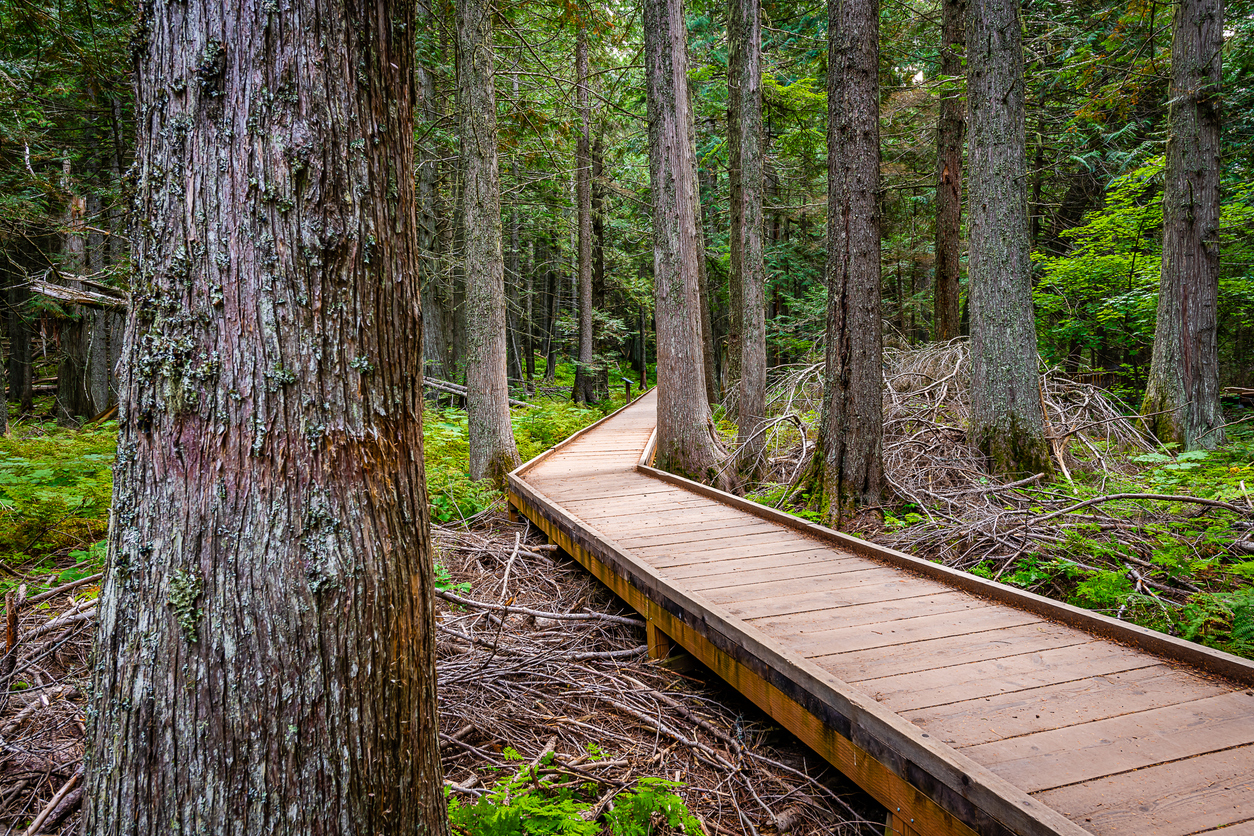
This is a paved and boardwalk loop under a mile long, running through old-growth cedar and hemlock trees near Avalanche Creek. It is flat enough for a wheelchair or a stroller, which makes it one of the few fully accessible trails in the park.
Hidden Lake Overlook
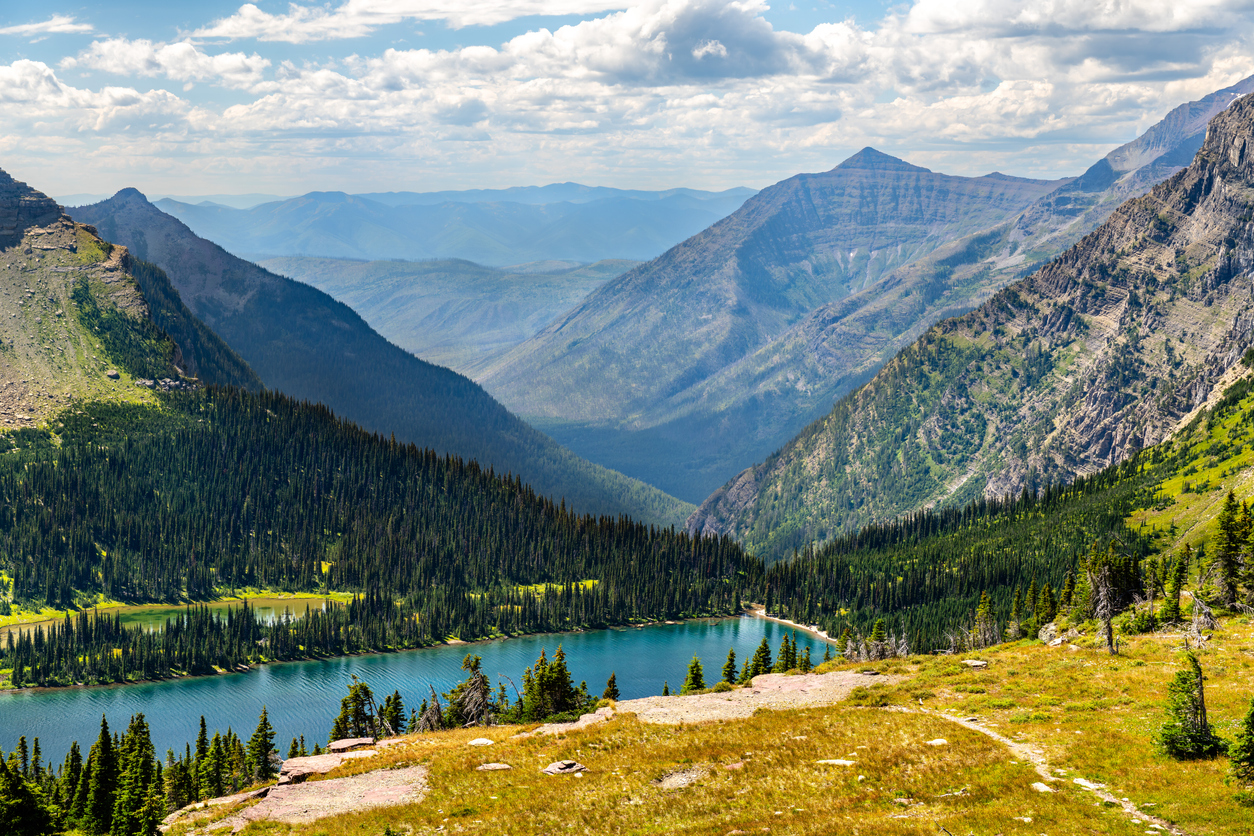
This starts right at the Logan Pass Visitor Center. Most of the route follows a boardwalk through alpine meadows, climbing gently to a wooden platform with a view down to Hidden Lake and the mountains around it. Mountain goats often rest near the trail here, sometimes just a few feet away.
Two Medicine Lake to Twin Falls
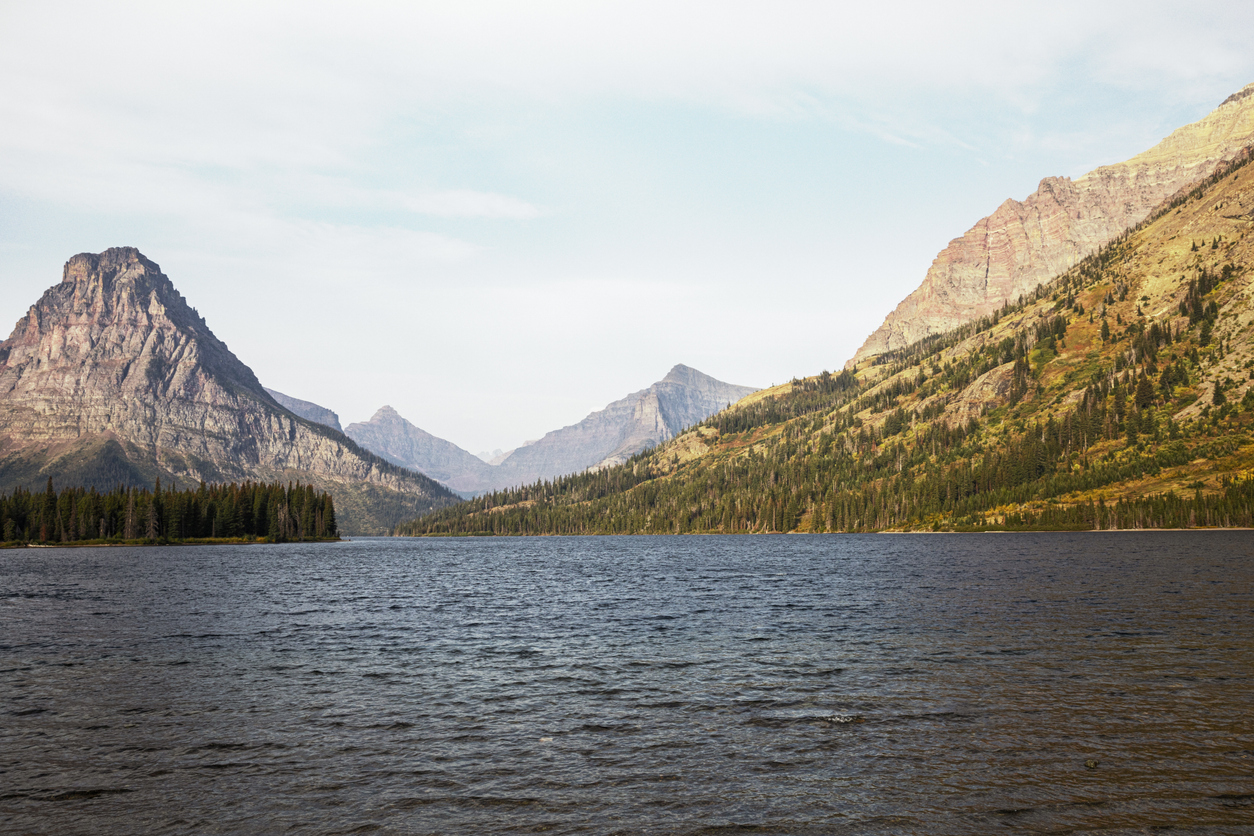
This area is on the quieter east side of the park, away from the crowds at Logan Pass and Many Glacier. The flat trail follows the shore of Two Medicine Lake to a waterfall, and a boat ride across the lake is available if you would rather cut the walk short in one direction.
For example, a family with young children could walk Trail of the Cedars in under 30 minutes in the morning and then still have the energy for Hidden Lake Overlook or the walk to Twin Falls later the same day.
Moderate Hikes With a Big Payoff
Avalanche Lake
Climbs gently through a forest of old cedar trees before opening onto a lake ringed by steep cliffs and waterfalls. The grade stays gentle for most of the way, which is why it is rated moderate rather than hard despite being one of the more popular hikes in the park.
Iceberg Lake
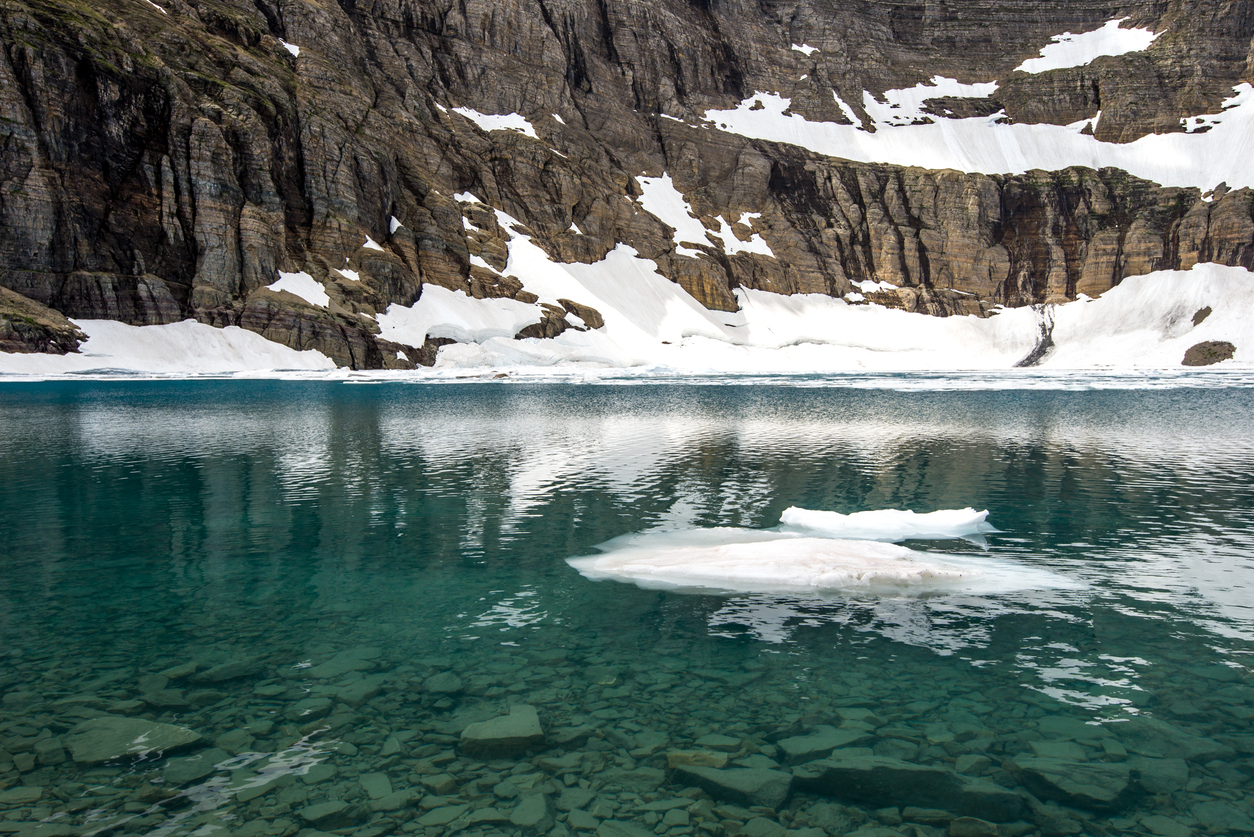
Starts at Many Glacier and ends at a lake that holds floating chunks of ice well into July most years. The trail crosses open meadows with wide mountain views, and a turquoise lake with ice on it in the middle of summer is hard to find anywhere else.
Strenuous Hikes for Experienced Hikers
Highline Trail
This is the hike most people mean when they ask about the best hikes in Glacier. It follows a narrow ledge along a ridge called the Garden Wall, with a cable bolted into the rock for the first stretch. The elevation gain is modest, only about 830 feet, so the difficulty comes from length and exposure rather than steep climbing. Hikers uneasy with heights may want a different trail.
Grinnell Glacier
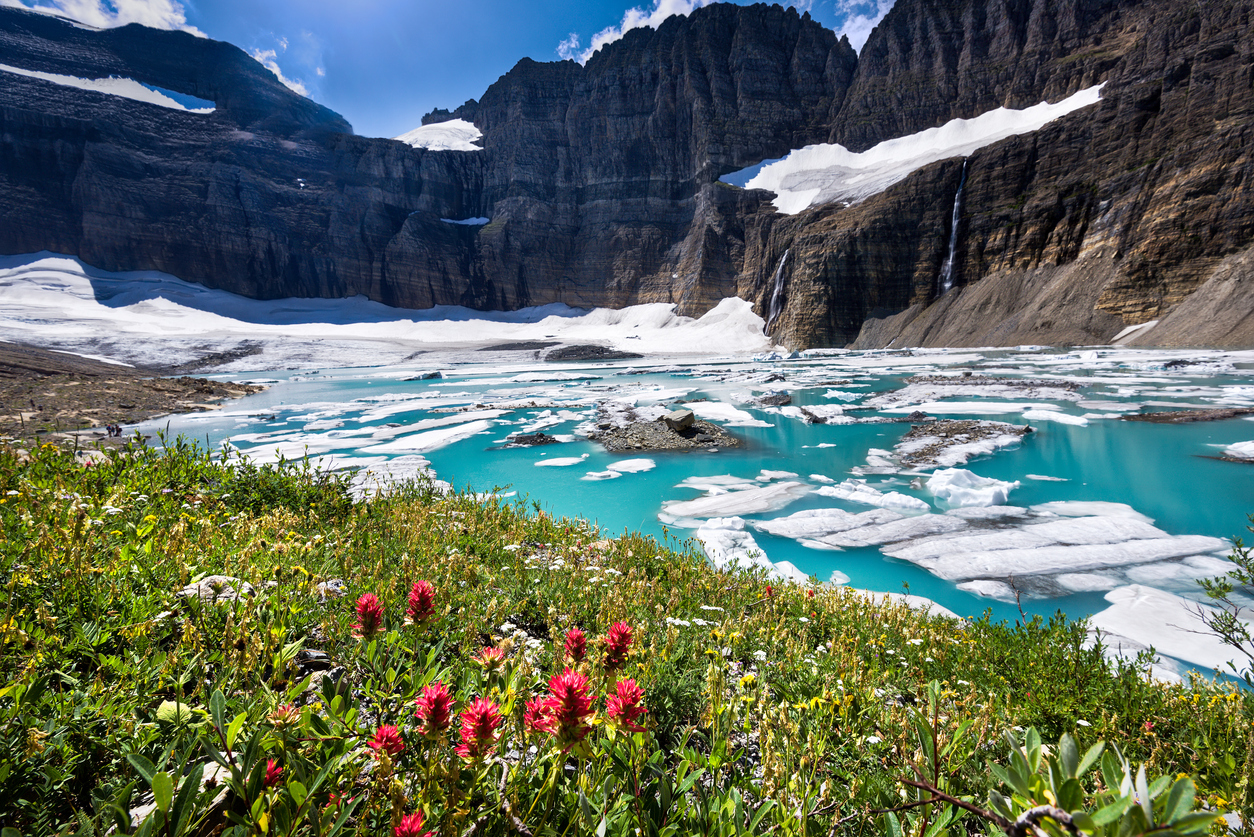
Ends at a bright turquoise lake sitting just below one of the park’s last remaining glaciers. A boat ride across two lakes near the start of the hike is optional but popular, since it cuts several miles off the round trip and leaves more time at the top.
Siyeh Pass
Gets far fewer hikers than Highline or Grinnell, even though the views from the pass stretch out in both directions. It gains more elevation than either trail, which is why it counts as strenuous despite a similar distance.
Two More Worth the Effort
-
Cracker Lake
It is known for a bright turquoise color, caused by fine glacial rock powder in the water. It follows an old mining road for part of the way, so footing is easier than the distance suggests.
-
Ptarmigan Tunnel
Ends at a stone tunnel blasted through a mountain ridge in the 1930s, opening onto a different valley. Snow usually blocks it until mid- to late July, even after the rest of the trail has melted out.
When to Hike These Trails
Snow controls the hiking calendar here more than anything else. Lower trails such as Trail of the Cedars and Avalanche Lake are usually open by late May or June. Higher trails, including Highline, Siyeh Pass, and Ptarmigan Tunnel, often stay snow-covered until mid or late July and can hold patches into August in a heavy snow year.
Conditions change year to year, so check the park’s trail status page a few days before a trip rather than relying on last year’s dates. Our best time to visit Glacier National Park guide covers the full season, not just trail openings.
What to Know Before You Go
- Carry bear spray. Glacier has both black bears and grizzly bears, and rangers recommend it on every hike. Outfitters near the park rent canisters by the day.
- Start early in July and August. Parking at Logan Pass and Many Glacier fills by mid-morning. The free shuttle helps if you arrive later
- No permit needed for day hikes. Only overnight backcountry camping requires one.
Frequently Asked Questions
What is the most popular hike in Glacier National Park?
The Highline Trail is generally considered the most popular, followed closely by Hidden Lake Overlook, which is shorter and easier to reach from Logan Pass.
What is the easiest hike in Glacier National Park?
Trail of the Cedars. It is under a mile, mostly flat, and paved or boardwalk for its entire length.
Do you need a permit to hike in Glacier National Park?
No. Day hikes on any of these trails do not require a permit. Only overnight backcountry camping trips need one.
How many days do you need to see the best hikes in Glacier?
Three to four days covers a mix of easy and moderate trails on both sides of the park. A full week leaves room for the longer, strenuous hikes too.
Is Glacier National Park hard to hike?
Most of the trails on this list are rated easy or moderate. The handful rated strenuous, like Highline Trail and Siyeh Pass, are usually long or exposed rather than steep or technical.
Plan Your Stay Near the Trailheads
Where you stay can save you real time on trail days. Iceberg Lake, Grinnell Glacier, Cracker Lake, and Ptarmigan Tunnel are reached from Many Glacier, Two Medicine Lake sits further south on that same east side, and Highline and Hidden Lake Overlook are closer to Logan Pass and the Flathead Valley side.
This is where booking through Explore Montana Rentals makes hiking days easier. We have homes and cabins across the Flathead Valley, from affordable condos to larger luxury properties with hot tubs and mountain views, so you can pick one close to whichever trailhead you are hiking that day. Every property has a full kitchen for an early breakfast and a packed trail lunch, and our local team can help match you to the right one for your group.
Hiking is only part of what the park offers. For a mix of trails and easier sightseeing, our guide to things to do in Glacier National Park rounds out the rest of the park beyond these ten trails.