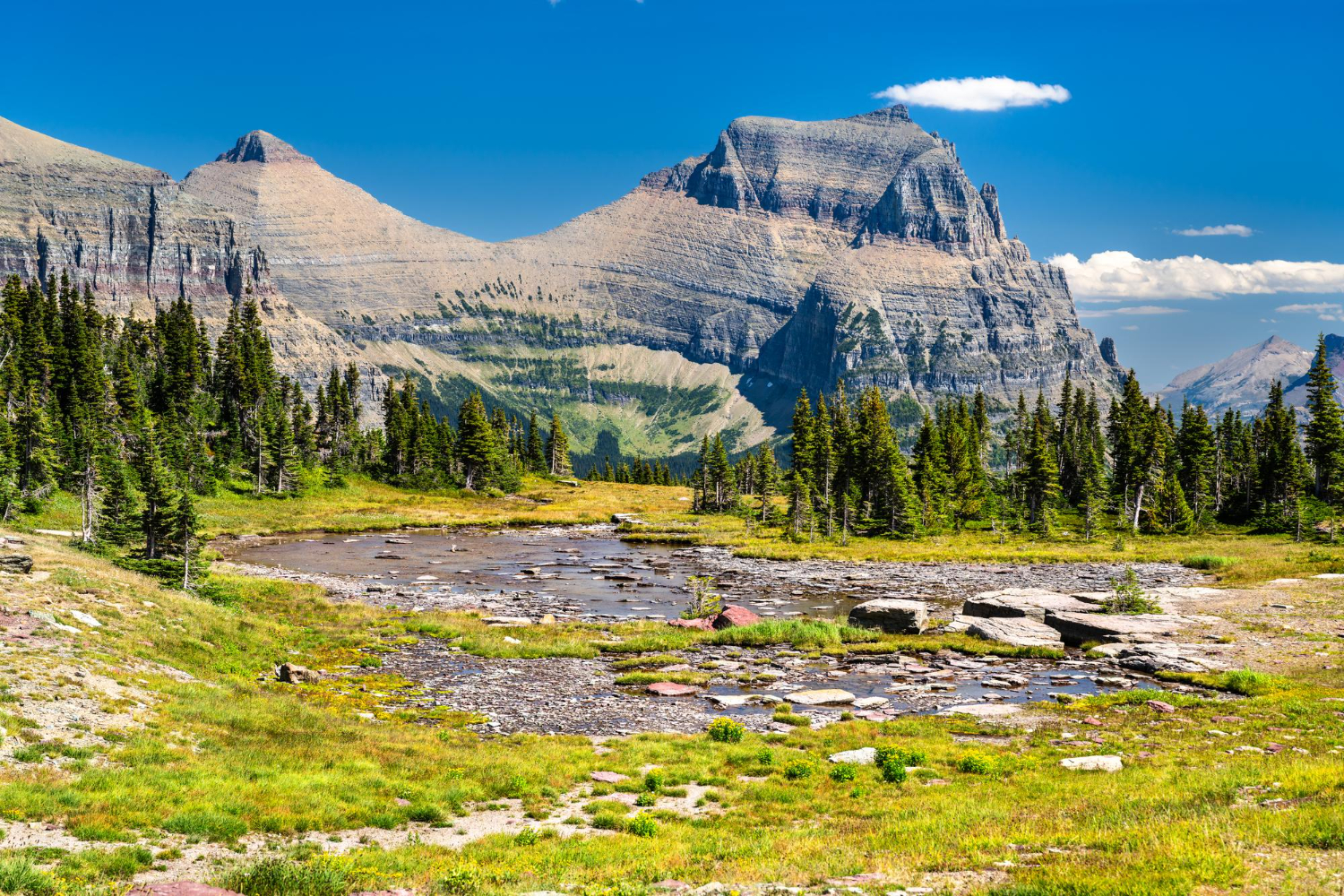
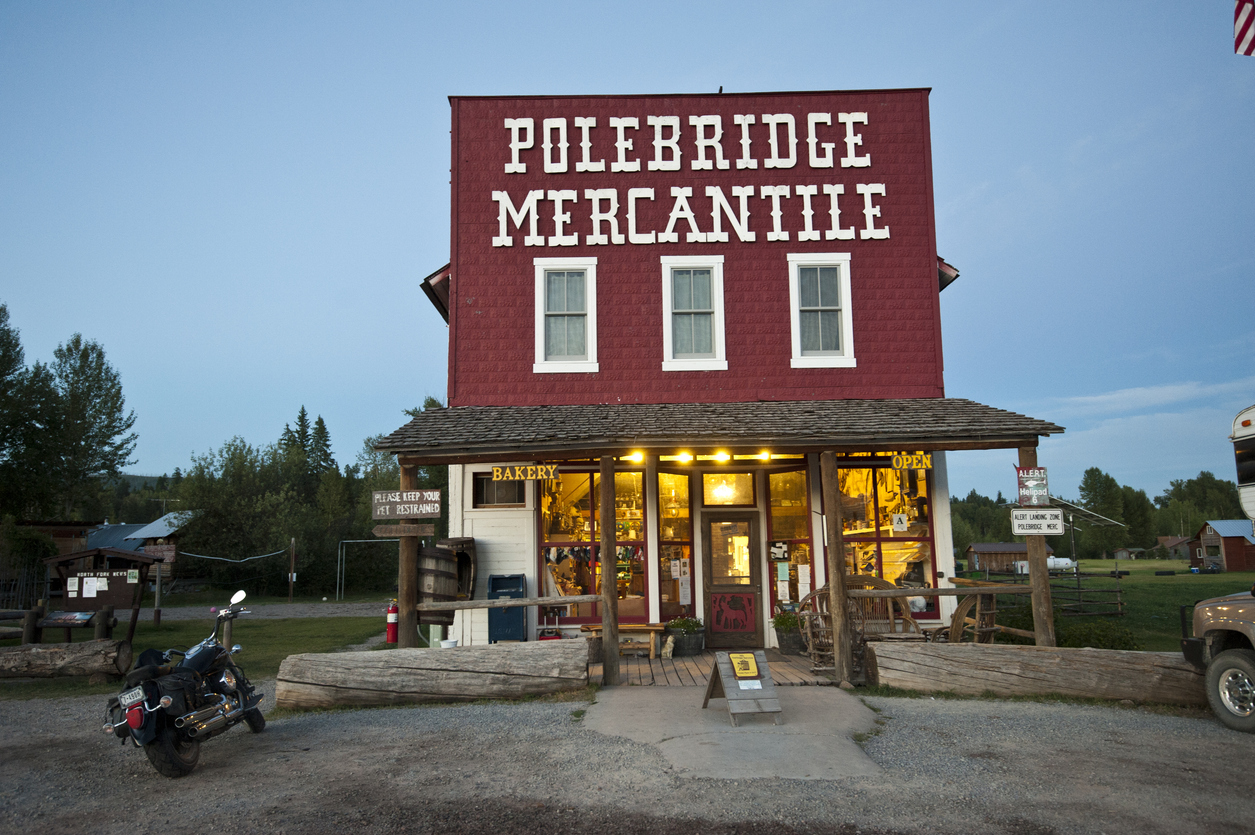
Did you know that Montana holds enough land to fit the entire country of Switzerland inside its borders twice? This vast expanse of rugged peaks and golden prairies offers a unique escape for every traveler. Whether you crave snowy slopes or sun-drenched hiking trails, the Big Sky Country delivers unforgettable memories.
Choosing the right moment for your journey makes all the difference in your experience. Identifying the best time to visit montana requires balancing your desire for solitude against the appeal of peak seasonal events. From the vibrant wildflowers of spring to the crisp, golden hues of autumn, each season transforms the landscape into a new playground.
Effective montana vacation planning ensures you capture the magic of Glacier National Park or the charm of local ranch life without unnecessary stress. We invite you to explore our guide as we break down the weather patterns and crowd levels. Let us help you craft the perfect itinerary for your upcoming mountain adventure.
Understanding Montana Weather and Seasonal Patterns
Understanding Montana’s weather and seasonal patterns is crucial for planning a successful trip to this beautiful state. Montana’s climate is characterized by its vast geographical diversity, ranging from the Rocky Mountains to the Great Plains.
The state’s diverse landscape significantly influences its weather, creating a complex climate that varies greatly from one region to another. To navigate these variations, it’s essential to grasp the underlying climatic influences.
The Continental Climate Influence
Montana is subject to a continental climate, marked by significant temperature fluctuations between summer and winter. This climate type is characterized by warm summers and cold winters, with moderate precipitation levels.
The continental influence means that Montana experiences a wide range of temperatures throughout the year. For instance, summer temperatures can soar to over 90°F (32°C) in the lower-lying areas, while winters can drop to below -40°F (-40°C) in the mountainous regions.
| Season | Temperature Range (°F) | Precipitation |
| Spring | 40-60 | Moderate |
| Summer | 70-90 | Low to Moderate |
| Fall | 40-60 | Moderate |
| Winter | -20 to 30 | Moderate to High |
Navigating Montana’s Variable Mountain Weather
Montana’s mountainous regions are known for their unpredictable weather. The state’s mountain weather can change rapidly, with conditions varying significantly with elevation.
Visitors to Montana’s mountains should be prepared for sudden changes in weather, including snowstorms in the higher elevations even during the summer months.
Staying informed about local weather forecasts is crucial for navigating Montana’s variable mountain weather. By understanding these patterns, visitors can better plan their activities and ensure a safe and enjoyable trip.
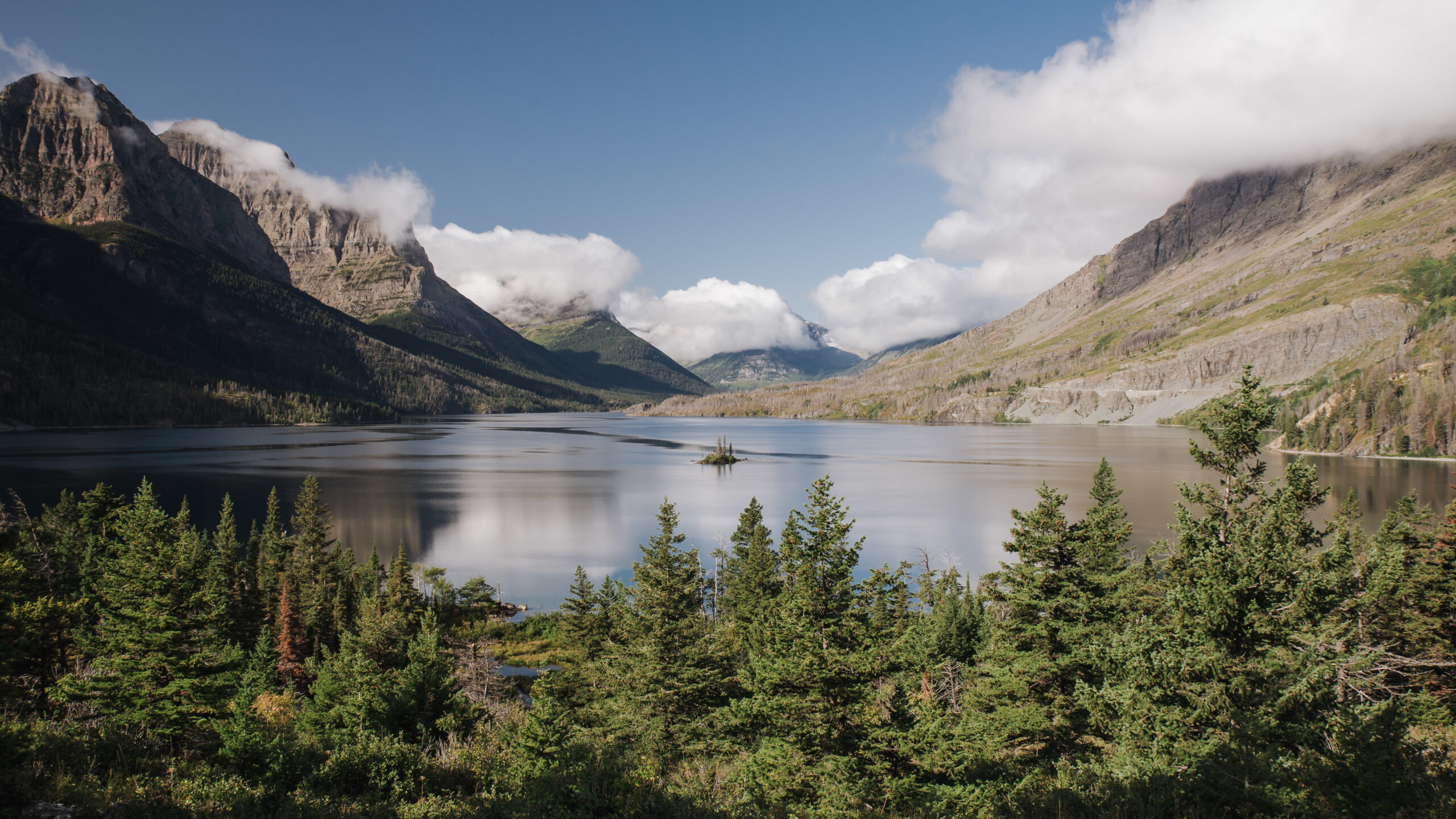
The Best Time to Visit Montana by Season
Montana’s diverse landscape and climate make it a year-round destination, with each season offering a distinct experience. Whether you’re looking for outdoor adventures, cultural experiences, or simply a peaceful getaway, understanding the characteristics of each season is key to planning your trip.
Summer: The Peak Season for Outdoor Exploration
Summer is the peak tourist season in Montana, with warm weather and long days making it ideal for outdoor activities such as hiking, fishing, and camping. The average high temperature in July, the warmest month, is around 86°F (30°C) in the eastern part of the state and 78°F (25°C) in the western part.
During the summer, Montana’s national parks, including Glacier National Park, are bustling with visitors. The Going-to-the-Sun Road in Glacier National Park is a must-drive, offering breathtaking views of glaciers, alpine lakes, and towering mountain peaks.
Winter: A Wonderland for Skiers and Snow Enthusiasts
Winter transforms Montana into a snow-covered wonderland, attracting skiers, snowboarders, and snowmobilers from around the world. The state’s numerous ski resorts, such as Big Sky Resort and Bridger Bowl, offer world-class skiing and snowboarding opportunities.
The winter months, from December to March, are ideal for experiencing Montana’s winter sports culture. Visitors can enjoy dog sledding, ice climbing, and snowshoeing, among other activities.
Spring and Fall: The Shoulder Seasons for Peace and Quiet
Spring and fall are considered the shoulder seasons in Montana, offering a more serene and peaceful experience compared to the peak summer months. During these seasons, the crowds are smaller, and the scenery is particularly beautiful, with spring flowers blooming or fall foliage coloring the landscape.
These seasons are ideal for those looking for outdoor activities such as hiking and fishing without the crowds. Additionally, the mild weather makes it an excellent time for exploring Montana’s charming towns and cultural attractions.
Choosing Your Travel Dates Based on Your Goals
To make the most of your Montana adventure, it’s crucial to choose your travel dates based on your specific interests and preferences. Whether you’re an outdoor enthusiast, a winter sports fanatic, or someone who prefers fewer crowds and lower prices, Montana has something to offer at various times of the year.
Prioritizing Outdoor Adventure and Hiking
If your primary goal is to indulge in outdoor activities such as hiking, fishing, or exploring the great outdoors, the best time to visit Montana is during the summer months (June to August). The weather is warm and conducive to outdoor exploration, with long days that allow for extended periods of activity.
During this time, popular trails in Glacier National Park and other wilderness areas are at their most accessible. However, it’s also the peak tourist season, so expect larger crowds and potentially higher prices for accommodations and guided tours.
Finding the Best Snowfall for Winter Sports
For those who enjoy winter sports such as skiing, snowboarding, or snowshoeing, Montana’s winter season (December to March) is a paradise. The state’s numerous ski resorts, including Big Sky Resort and Bridger Bowl, receive abundant snowfall, making them ideal destinations for winter sports enthusiasts.
The best snowfall is typically found in the months of January and February, when the snow conditions are at their peak. However, these months are also the busiest, so booking accommodations and ski passes in advance is highly recommended.
Traveling During Off-Peak Times to Avoid Crowds
If you prefer a more serene experience and are looking to avoid the crowds associated with peak season, consider visiting Montana during the shoulder seasons – spring (April to May) and fall (September to October).
These periods offer mild weather and fewer tourists, making it an ideal time for those who want to enjoy Montana’s natural beauty without the hustle and bustle. The scenery during spring, with blooming wildflowers, and fall, with changing foliage, is particularly picturesque.
Budget-Friendly Strategies for Montana Travel
For travelers on a budget, visiting Montana during the off-peak seasons can significantly reduce costs. Accommodation prices tend to be lower, and some tourist attractions may offer discounts or special deals during these times.
Additionally, consider visiting during the week instead of on weekends, when prices for accommodations and tourist services may be higher due to increased demand from local travelers.
By carefully planning your trip according to your goals and preferences, you can have a fulfilling Montana experience that meets your expectations, whether that’s adventure, relaxation, or exploration, all while staying within your budget.
Top Destinations to Explore Across the Treasure State
Montana, known as the Treasure State, is home to a diverse array of breathtaking destinations that cater to all kinds of travelers. Whether you’re an outdoor enthusiast, a history buff, or someone who appreciates cultural experiences, Montana has something for everyone.
Glacier National Park and the Northern Rockies
Glacier National Park is one of Montana’s crown jewels, offering stunning mountain vistas, pristine lakes, and an abundance of wildlife. Visitors can hike the famous Going-to-the-Sun Road, explore the Many Glacier Hotel area, or take a boat tour on Lake McDonald.
Yellowstone National Park and the Southern Gateway
Montana’s southern region serves as a gateway to Yellowstone National Park, a UNESCO World Heritage Site. The area around West Yellowstone and the Madison River offers a range of outdoor activities, including hiking, fishing, and wildlife watching.
Bozeman and Missoula: Cultural Hubs and Mountain Towns
Bozeman and Missoula are two of Montana’s vibrant cultural hubs. Bozeman, home to Montana State University, boasts a lively downtown area with shops, restaurants, and cultural events. Missoula, known for its artistic community and outdoor recreation opportunities, offers a unique blend of urban and wilderness experiences.
Here’s a comparison of what these destinations have to offer:
| Destination | Main Attractions | Best Time to Visit |
| Glacier National Park | Hiking, wildlife viewing, scenic drives | July to September |
| Yellowstone National Park | Geysers, hot springs, wildlife | April to October |
| Bozeman | Cultural events, downtown shopping, outdoor activities | Year-round |
| Missoula | Artistic community, outdoor recreation, cultural festivals | Year-round |
Essential Travel Tips for Planning Your Montana Trip
To make the most of your Montana adventure, it’s crucial to be well-prepared with the right travel tips. Montana’s diverse landscapes and climates mean that travelers need to be flexible and prepared for a range of conditions.
Booking Accommodations and Transportation
When planning your trip to Montana, booking your accommodations and transportation in advance is highly recommended, especially during peak travel seasons.
- Research and book hotels, lodges, or vacation rentals that suit your budget and preferences.
- Consider renting a car to explore Montana’s vast landscapes freely.
- Check the schedules and book tickets for any train or bus services you plan to use.
For a more comfortable and flexible stay, many travelers choose professionally managed vacation rentals, where access to top attractions is much easier.
Packing Essentials for Changing Mountain Conditions
Montana’s weather can be unpredictable, so it’s vital to pack accordingly.
- Bring layers for varying temperatures, including warm clothing for colder months.
- Include waterproof gear and sturdy footwear for outdoor activities.
- Don’t forget essentials like sunscreen, sunglasses, and a hat for sun protection.
Understanding Local Etiquette and Wildlife Safety
Respecting local customs and wildlife is crucial for a safe and enjoyable trip.
- Familiarize yourself with local regulations and guidelines for interacting with wildlife.
- Keep a safe distance from wildlife, including bears, elk, and other animals.
- Be mindful of your surroundings and keep trash secure to avoid attracting wildlife.
By following these travel tips, you’ll be well on your way to a memorable and stress-free Montana trip. Whether you’re exploring Glacier National Park, enjoying the cultural hubs of Bozeman and Missoula, or experiencing the beauty of Yellowstone’s southern gateway, being prepared will enhance your experience.
Where to Stay in Montana
Montana, with its diverse landscapes and outdoor activities, is a destination that caters to a wide range of interests and preferences. Whether you’re drawn to the peak summer season for hiking and exploration, or the serene winter months for skiing and snow sports, Montana offers an unforgettable experience. Recent Montana tourism trends indicate a growing interest in visiting during the shoulder seasons of spring and fall, when the crowds are smaller and the scenery is particularly breathtaking.
Choosing the right place to stay can make a big difference in your Montana experience. Staying near top destinations like Glacier National Park or Whitefish helps you spend less time driving and more time exploring.
Vacation rentals are a popular option for travelers looking for more space, comfort, and convenience. With full amenities and scenic locations, they offer a more relaxed and immersive experience compared to traditional hotels.
For a reliable stay, Explore Montana Rentals provides professionally managed homes near Glacier and Whitefish, making it easy to enjoy the best of Montana.
Conclusion
By understanding the state’s seasonal patterns and planning your trip accordingly, you can make the most of your visit. From the majestic beauty of Glacier National Park to the cultural richness of Bozeman and Missoula, Montana’s varied attractions ensure that every traveler finds something to cherish. As you plan your Montana adventure, consider what activities and experiences are most important to you, and let the natural beauty of the Treasure State leave you with memories to last a lifetime.
FAQ
When is the best time to visit Montana for outdoor activities?
The best time to visit Montana generally falls between late June and early September. This window provides the most reliable access to high-altitude hiking trails in Glacier National Park and optimal conditions for fly fishing on the Madison River. For those who prefer snowy adventures, late December through March is ideal for world-class skiing at Big Sky Resort.
How can I stay prepared for the state’s unpredictable weather?
Because the continental climate can bring sudden changes, keeping a close watch on montana weather updates is vital for any traveler. One of our essential montana travel tips is to dress in versatile layers. Even in the height of summer, temperatures can drop significantly at night, so having a moisture-wicking base layer and a warm Patagonia jacket is always a smart move.
What are the top seasons in Montana for avoiding large crowds?
If you prefer peace and quiet, the shoulder seasons of spring (April to June) and fall (September to October) are the top seasons in Montana for you. While some park roads may have seasonal closures, you’ll enjoy a much more intimate experience at popular spots like the Grizzly & Wolf Discovery Center in West Yellowstone without the peak summer rush.
Do you have any montana vacation planning advice for budget-conscious travelers?
Effective montana vacation planning for a budget involves booking your trip during the late spring or late autumn. During these “off-peak” times, many luxury accommodations, such as the Kimpton Armory Hotel in Bozeman or the Lodge at Whitefish Lake, offer lower rates. Additionally, visiting regional gems like Makoshika State Park is a fantastic, low-cost alternative to the more expensive national park entries.
What should I include in my montana sightseeing guide for a first-time trip?
A comprehensive montana sightseeing guide should always prioritize the Going-to-the-Sun Road in Glacier National Park and the geothermal wonders of Yellowstone. Don’t forget to explore the cultural hubs of Missoula and Bozeman, where you can visit the Museum of the Rockies to see one of the largest collections of dinosaur fossils in the world.
How can a montana trip planner help me see wildlife safely?
Using a montana trip planner allows you to schedule visits to prime wildlife viewing areas like the Lamar Valley during the early morning hours when animals are most active. Always remember to maintain a safe distance—at least 100 yards from bears and wolves—and carry bear spray, which is a staple safety item recommended by the National Park Service.
What are the latest montana tourism trends I should know about?
Current montana tourism trends show a growing interest in “agritourism” and sustainable travel. More visitors are choosing to stay at authentic working ranches, such as The Ranch at Rock Creek, to experience the American West’s heritage firsthand while supporting local conservation efforts and small-town economies.